

Mini Skid Steer Equipment SWMS
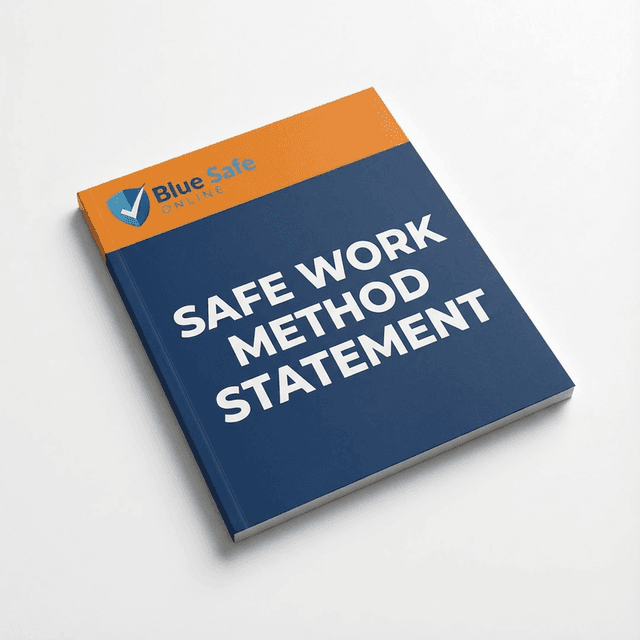
This SWMS covers planning, operating, maintaining and demobilising mini skid steer equipment, including attachment changes, material movement and refuelling.
Activities covered include
- Review the work scope, crews, attachments and weather conditions
- Travel, manoeuvre and move materials
- Shut down, restrain and demobilise the plant
Download immediately
Your editable Word and PDF files are ready to download after purchase.
Acceptance guaranteed
If your client or principal requests changes during document review, BlueSafe will help revise the document at no extra cost and support resubmission until it is accepted.
- 100% Compliant with Australian WHS Acts & Regulations
- Fully Editable MS Word & PDF Formats Included
- Pre-filled Content - Ready to Deploy Immediately
- Customisable - Easily Add Your Logo & Site Details
- Includes 2 Years of Free Compliance Updates
Product Overview
This SWMS covers planning, operating, maintaining and demobilising mini skid steer equipment, including attachment changes, material movement and refuelling. It supports work planning and risk management by addressing plant movement, stability, services, dust, noise and stored energy.
Activities & Specific Tasks Covered
This document includes task-specific risk controls for:
- Review the work scope, crews, attachments and weather conditions
- Set up a controlled work zone for pedestrians, vehicles and plant
- Unload, position and inspect the plant before use
- Access, start and operate the plant safely
- Change attachments and manage hydraulic pressure
- Travel, manoeuvre and move materials
- Manage work near edges, slopes, services and overhead hazards
- Control dust, noise and flying particles
- Refuel, manage spills and perform maintenance
- Shut down, restrain and demobilise the plant
Who is this for?
For contractors, workers, supervisors and businesses carrying out mini skid steer equipment activities.
Specific Job Steps & Hazards Covered
| Job Step / Activity | Potential Hazards |
|---|---|
| Review work scope |
|
| Establish work zone |
|
| Unload and position plant |
|
| Complete pre-start inspection |
|
| Access and start plant |
|
| Change attachments |
|
| Travel and manoeuvre |
|
| Load and move materials |
|
| Work near edges and slopes |
|
| Manage services and overheads |
|
| Control dust and noise |
|
| Refuel and manage spills |
|
| Clear blockages and maintain |
|
| Shut down and demobilise |
|
Need to add specific site requirements?
Use the BlueSafe Portal to tailor this SWMS with site-specific details, job steps, hazards, controls and responsibilities before work starts.
Acceptance Guaranteed: If your client or principal requests changes during document review, BlueSafe will help revise the document at no extra cost and support resubmission until it is accepted.
Legislation & References
The template includes references relevant to the documented work, including:
- Applicable Commonwealth, state or territory WHS/OHS legislation and regulations: apply the relevant local duties for PCBUs, officers, workers, risk management, construction work, plant, powered mobile plant, hazardous chemicals, PPE and electrical safety. Confirm the jurisdictional legislation and regulator requirements before issue.
- Safe Work Australia Model Code of Practice: Managing the risks of plant in the workplace, November 2024 — guidance only; confirm whether and how it is approved or applied in the relevant jurisdiction. It outlines hazard identification across plant operation, inspection, maintenance, repair, transport and storage.
- Safe Work Australia Model Code of Practice: Managing the risks of construction work — guidance only; use where the activity is construction work and verify local adoption.
- Safe Work Australia Model Code of Practice: Construction work — traffic management — guidance only; verify local adoption and project-specific road authority requirements.
- AS 2294 series, Earth-moving machinery — protective structures; use manufacturer-certified ROPS/FOPS and do not modify protective structures without competent engineering approval.
- AS/NZS 2210.3 Safety, protective and occupational footwear; AS/NZS 4602.1 High visibility safety garments; AS/NZS 1337.1 Personal eye-protection; AS/NZS 1270 Hearing protectors.
- AS/NZS 5131 Structural steelwork — fabrication and erection, where applicable to engineered attachment mounts or modifications; use only manufacturer-approved attachments and couplers.
- AS 2550 series Cranes, hoists and winches — safe use, where lifting with an approved load-rated attachment is specifically planned and permitted.
Standard SWMS Features (Click to Expand)
- Task-specific job steps, hazards and control measures
- Initial and residual risk ratings
- Assigned responsible persons for each job step
- Plant, equipment and PPE requirements where applicable
- Permits, qualifications and high-risk construction work details where applicable
- Worker consultation, sign-off and review sections
Suitable for Industries
Related templates
$79.50
$96.80
Includes all formats + 2 years updates
Acceptance guaranteed
If your client or principal requests changes during document review, BlueSafe will help revise the document at no extra cost and support resubmission until it is accepted.
$79.50
$96.80
One-time payment