BlueSafe
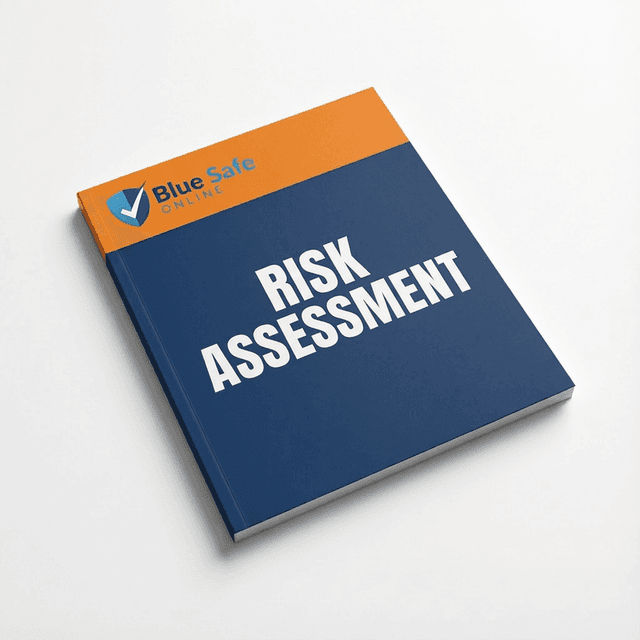
Workshop Safety Risk Assessment

Workshop Safety Risk Assessment

  • 100% Compliant with Australian WHS Acts & Regulations
  • Fully Editable MS Word & PDF Formats Included
  • Pre-filled Content – Ready to Deploy Immediately
  • Customisable – Easily Add Your Logo & Site Details
  • Includes 2 Years of Free Compliance Updates

Workshop Safety Risk Assessment

Product Overview

Identify and control organisational risks associated with Workshop Safety Risk Assessment through a structured, management-level review of your systems, governance and resources. This document supports executive Due Diligence, strengthens WHS Risk Management and helps demonstrate compliance with the WHS Act while protecting your business from operational liability.

Risk Categories & Hazards Covered

This document assesses risks and outlines management controls for:

  • WHS Governance, Duties and Consultation: Assessment of PCBU, Officer and worker duty compliance, consultation arrangements, HSR engagement and the effectiveness of safety committees within the workshop environment.
  • Workshop WHS Management System and Documentation: Evaluation of policies, procedures, risk registers, permits, checklists and record-keeping that underpin safe workshop operations.
  • Leadership, Supervision and Safety Culture: Review of supervisory structures, safety leadership behaviours, enforcement of rules, and systems for reporting and learning from hazards and incidents.
  • Competency, Training and Induction: Assessment of competency frameworks, licence and ticket verification, toolbox talks, refresher training and induction programs for workshop personnel.
  • Plant, Equipment and Workshop Layout Management: Management of machinery selection, guarding, isolation points, safe access/egress, workflow design and segregation of people, plant and storage areas.
  • Maintenance, Inspection and Asset Management: Systems for scheduled servicing, pre-start checks, defect reporting, lock-out/tag-out processes and lifecycle management of workshop plant and tools.
  • Hazardous Chemicals, Substances and WHS Compliance: Control of procurement, storage, labelling, decanting, Safety Data Sheets (SDS), exposure controls and health monitoring where required.
  • Contractor and Visitor Management in the Workshop: Protocols for prequalification, inductions, permits to work, supervision, and interface management between contractors, visitors and in-house staff.
  • Emergency Preparedness, Response and Incident Management: Planning for fire, spills, first aid, rescue, alarm systems, drills, and post-incident investigation and corrective action processes.
  • Housekeeping, Traffic Management and General Workshop Environment: Management of pedestrian and vehicle interaction, storage practices, lighting, ventilation, noise, slips, trips and general amenity.

Who is this for?

This Risk Assessment is designed for Business Owners, Operations Managers, Workshop Managers and Safety Professionals responsible for planning, overseeing and auditing workshop operations across manufacturing, maintenance, automotive, fabrication and similar environments.

Hazards & Risks Covered

Hazard Risk Description
1. WHS Governance, Duties and Consultation
  • • Lack of clear allocation of WHS duties and due diligence responsibilities under WHS Act 2011 for officers and PCBUs
  • • Inadequate consultation mechanisms with workers and health and safety representatives (HSRs) on workshop risks and changes
  • • Absence of a documented WHS policy and objectives specific to workshop operations
  • • Failure to integrate WHS governance into business planning, budgeting and decision‑making for workshop activities
  • • Poor reporting culture leading to under‑reporting of hazards, near misses and incidents in the workshop
  • • Inadequate review of WHS performance indicators relevant to workshop safety at management level
  • • Insufficient resourcing (time, budget, competent people) for implementing and monitoring workshop safety systems
2. Workshop WHS Management System and Documentation
  • • Absence of a structured WHS management system covering workshop activities (policies, procedures, standards and records)
  • • Outdated or inconsistent procedures for high‑risk workshop activities (e.g. plant use, hot work, confined spaces, hazardous chemicals)
  • • Poor document control leading to multiple versions of critical procedures and confusion amongst workers
  • • Inadequate risk assessment processes for new workshop tasks, equipment and substances
  • • Lack of integration between WHS documentation and other business systems (e.g. maintenance, procurement, HR)
  • • Insufficient record‑keeping to demonstrate compliance (e.g. training records, inspection forms, permits, test and tag logs)
  • • No systematic review cycle for WHS documents relevant to workshop operations
3. Leadership, Supervision and Safety Culture in the Workshop
  • • Inadequate frontline supervision leading to unsafe work practices and non‑compliance with procedures
  • • Supervisors lacking WHS knowledge and skills to manage workshop risks and enforce standards
  • • Production or time pressures being prioritised over safe systems of work
  • • Tolerance of unsafe behaviours or shortcuts becoming normalised in the workshop culture
  • • Poor communication of safety expectations, changes and learnings from incidents
  • • Lack of recognition or reinforcement for safe behaviours in workshop teams
  • • Ineffective management of fatigue, stress and psychosocial risks for workshop workers
4. Competency, Training and Induction for Workshop Personnel
  • • Workers and contractors performing workshop tasks without verified competency or appropriate licences
  • • Inadequate induction for new workers, contractors and visitors on workshop‑specific hazards and rules
  • • Training programs that are ad hoc, not based on risk, or not refreshed at appropriate intervals
  • • Inconsistent competency assessment methods for high‑risk plant (e.g. forklifts, hoists, presses, welding equipment)
  • • Limited understanding of emergency procedures, isolation systems and permit requirements among workshop personnel
  • • Failure to identify and address language, literacy and numeracy barriers in training materials
  • • Lack of training for workers in recognising early warning signs of plant defects, hazardous substance issues and unsafe conditions
5. Plant, Equipment and Workshop Layout Management
  • • Inadequate design, selection and procurement of plant and equipment with poor inherent safety features
  • • Lack of engineering controls such as guarding, interlocks and emergency stops on workshop machinery
  • • Poor workshop layout leading to conflicts between pedestrians, vehicles and fixed plant
  • • Uncontrolled changes to plant, equipment or layout (no management of change process)
  • • Inadequate systems for isolation, lock‑out/tag‑out and verification of isolation during maintenance and repair
  • • Failure to identify and manage risks from hired or contractor‑supplied equipment brought into the workshop
  • • Insufficient ventilation, lighting and noise control for the types of work undertaken in the workshop
6. Maintenance, Inspection and Asset Management of Workshop Plant
  • • Lack of a planned preventive maintenance program for critical workshop plant and safety systems
  • • Reliance on reactive maintenance leading to unexpected breakdowns and higher risk of failure during use
  • • Incomplete or inaccurate maintenance records, hindering verification of compliance and reliability
  • • Failure to remove defective equipment from service or appropriately tag it as out of use
  • • Inadequate inspection regimes for lifting equipment, pressure vessels, electrical tools and other regulated plant
  • • Poor coordination between production and maintenance leading to work being carried out on unsafe or live equipment
  • • Use of unqualified persons to repair or modify plant and safety systems
7. Hazardous Chemicals, Substances and WHS Compliance
  • • Lack of a complete and current hazardous chemicals register for substances used or stored in the workshop
  • • Safety Data Sheets (SDS) not readily available or out of date
  • • Inadequate risk assessments for hazardous chemicals and generated substances (e.g. welding fumes, solvents, paints, degreasers)
  • • Improper storage, labelling and segregation of incompatible chemicals
  • • Insufficient systems for controlling exposure to fumes, vapours, dusts and mists during routine workshop activities
  • • Failure to implement safe systems for decanting, mixing and disposing of hazardous chemicals
  • • Inadequate training of workers in chemical hazards, PPE requirements and emergency response (spills, exposures, fires)
8. Contractor and Visitor Management in the Workshop
  • • Contractors undertaking high‑risk activities in the workshop without alignment to site WHS systems
  • • Inadequate prequalification of contractors in relation to WHS capabilities and compliance history
  • • Visitors entering workshop areas without appropriate supervision, induction or PPE
  • • Poor coordination between contractors’ work and routine workshop activities, leading to interface risks
  • • Lack of clarity about who is controlling the work area and emergency arrangements when multiple PCBUs are present
  • • Insufficient monitoring of contractor performance and adherence to safe work methods
  • • Inadequate communication of workshop hazards, restricted areas and exclusion zones to contractors and visitors
9. Emergency Preparedness, Response and Incident Management
  • • Lack of comprehensive emergency planning specific to workshop hazards such as fires, chemical spills, plant entrapment and medical emergencies
  • • Inadequate emergency equipment (e.g. fire extinguishers, first aid kits, spill kits, eye wash stations) or poor maintenance of this equipment
  • • Unclear or untested evacuation procedures for workshop areas, including accounting for all persons
  • • Insufficient number of trained first aiders, fire wardens and spill responders in workshop shifts
  • • Poor incident notification, investigation and corrective action systems for workshop events
  • • Failure to learn from incidents and near misses, resulting in repeated events
  • • Emergency exits, access routes and assembly areas compromised by storage, vehicles or poor layout
10. Housekeeping, Traffic Management and General Workshop Environment
  • • Poor housekeeping leading to slips, trips, falls and obstructed emergency egress in workshop areas
  • • Uncontrolled interaction between vehicles (e.g. forklifts, trucks) and pedestrians in and around the workshop
  • • Inadequate management of waste, offcuts and by‑products, creating fire, trip and contamination risks
  • • Insufficient systems for managing noise, heat and other environmental conditions in the workshop
  • • Improper storage of tools, components and materials resulting in falling object and ergonomic hazards
  • • Failure to maintain clear line‑of‑sight and communication in congested or noisy workshop areas

Need to add specific hazards for your workplace?

Don't worry if a specific hazard isn't listed above. Once you purchase, simply log in to your Client Portal and add your own custom hazards at no extra cost. We take care of the hard work—creating the risk ratings and control measures for free—to ensure your document is compliant within minutes.

Legislation & References

This document was researched and developed to align with:

  • Work Health and Safety Act 2011
  • Work Health and Safety Regulations 2017
  • Model Code of Practice – How to Manage Work Health and Safety Risks: Guidance on systematic risk management processes.
  • Model Code of Practice – Managing Risks of Plant in the Workplace: Requirements for selection, use, guarding and maintenance of plant.
  • Model Code of Practice – Managing Risks of Hazardous Chemicals in the Workplace: Controls for procurement, storage, handling and emergency response.
  • Model Code of Practice – Work Health and Safety Consultation, Cooperation and Coordination: Framework for consultation with workers and other duty holders.
  • Model Code of Practice – Managing the Work Environment and Facilities: Requirements for layout, amenities, lighting, ventilation and traffic management.
  • AS/NZS ISO 31000:2018: Risk management — Guidelines
  • AS 3745-2010 (Incorporating Amendments): Planning for emergencies in facilities.
  • AS/NZS 4801 / ISO 45001 (as applicable): Occupational health and safety management systems – requirements and guidance for systematic WHS management.

Standard Risk Assessment Features (Click to Expand)
  • Comprehensive hazard identification for all activities
  • Risk rating matrix with likelihood and consequence analysis
  • Existing control measures evaluation
  • Residual risk assessment after controls
  • Hierarchy of controls recommendations
  • Action priority rankings
  • Review and monitoring requirements
  • Consultation and communication records
  • Legal compliance references
  • Sign-off and approval sections

$79.5

Safe Work Australia Aligned