

Severe Weather Cyclones and High Wind Safety SWMS
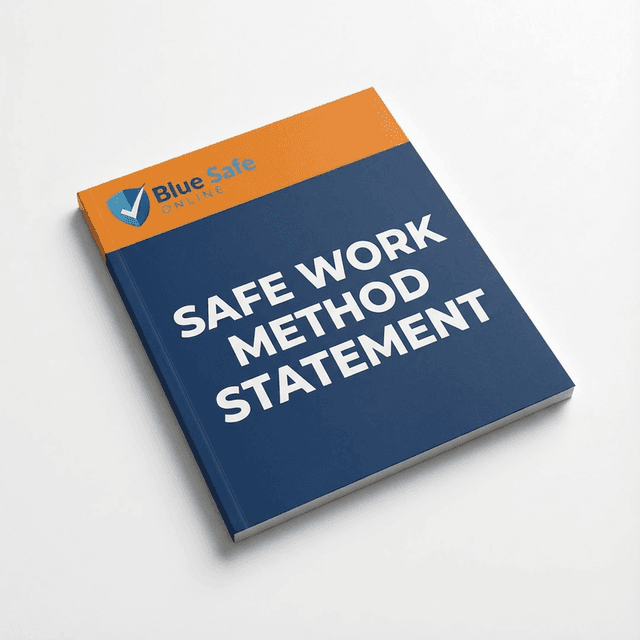
This SWMS covers planning, coordination and work controls for cyclones, high winds and related severe weather conditions.
Activities covered include
- Plan for severe weather and emergency arrangements before work starts
- Control work at heights and stabilise temporary structures
- Review procedures, training and lessons from incidents
Download immediately
Your editable Word and PDF files are ready to download after purchase.
Acceptance guaranteed
If your client or principal requests changes during document review, BlueSafe will help revise the document at no extra cost and support resubmission until it is accepted.
- 100% Compliant with Australian WHS Acts & Regulations
- Fully Editable MS Word & PDF Formats Included
- Pre-filled Content - Ready to Deploy Immediately
- Customisable - Easily Add Your Logo & Site Details
- Includes 2 Years of Free Compliance Updates
Product Overview
This SWMS covers planning, coordination and work controls for cyclones, high winds and related severe weather conditions. It supports weather-based risk assessment, stop-work decisions, sheltering, evacuation and post-storm recovery.
Activities & Specific Tasks Covered
This document includes task-specific risk controls for:
- Plan for severe weather and emergency arrangements before work starts
- Assess cyclone, high-wind, flooding and flying-debris risks
- Control access, vehicle movement and evacuation during extreme weather
- Secure materials, equipment and mobile plant against wind movement
- Manage crane and lifting work in high winds
- Control work at heights and stabilise temporary structures
- Operate plant and vehicles in storm conditions
- Manage environmental exposure, electrical and utility hazards
- Communicate stop-work, shelter and emergency decisions
- Inspect sites and recover safely after severe weather
- Review procedures, training and lessons from incidents
Who is this for?
Suitable for contractors, workers, supervisors and businesses undertaking work affected by severe weather, cyclones or high winds.
Specific Job Steps & Hazards Covered
| Job Step / Activity | Potential Hazards |
|---|---|
| Pre-start severe weather planning |
|
| Assess high wind and cyclone risk |
|
| Control access during extreme weather |
|
| Secure materials and equipment |
|
| Manage cranes and lifting in high winds |
|
| Control work at heights in windy conditions |
|
| Stabilise scaffolds and temporary structures |
|
| Operate plant and vehicles in storms |
|
| Protect workers from environmental exposure |
|
| Manage electrical and utility hazards |
|
| Communicate and coordinate during events |
|
| Stop-work, shelter and evacuation |
|
| Post-storm inspection and recovery |
|
| Training, review and continuous improvement |
|
Need to add specific site requirements?
Use the BlueSafe Portal to tailor this SWMS with site-specific details, job steps, hazards, controls and responsibilities before work starts.
Acceptance Guaranteed: If your client or principal requests changes during document review, BlueSafe will help revise the document at no extra cost and support resubmission until it is accepted.
Legislation & References
The template includes references relevant to the documented work, including:
- WHS Act 2011 - primary duty of care, consultation and incident notification requirements
- WHS Regulation 2011 - risk management, emergency plans, high risk construction work and electrical safety requirements
- Code of Practice: Construction Work - SWMS, site security, emergency arrangements and principal contractor duties
- Code of Practice: Managing the Risk of Falls at Workplaces - controls for work at height and scaffold inspection after severe weather
- Code of Practice: Scaffolding - environmental loads, ground conditions, ties, bracing and severe weather procedures
- Code of Practice: Managing Electrical Risks in the Workplace - weatherproofing, isolation, inspection and SWMS requirements for electrical work
- Code of Practice: Managing the Risks of Plant in the Workplace - fit-for-purpose plant, inspection, maintenance and safe operation
- Relevant Australian Standards including AS/NZS 1576, AS/NZS 4576, AS/NZS 1891, AS/NZS 2210, AS/NZS 3012 and AS/NZS 1170.2
Standard SWMS Features (Click to Expand)
- Task-specific job steps, hazards and control measures
- Initial and residual risk ratings
- Assigned responsible persons for each job step
- Plant, equipment and PPE requirements where applicable
- Permits, qualifications and high-risk construction work details where applicable
- Worker consultation, sign-off and review sections
Suitable for Industries
Related templates
$79.50
$96.80
Includes all formats + 2 years updates
Acceptance guaranteed
If your client or principal requests changes during document review, BlueSafe will help revise the document at no extra cost and support resubmission until it is accepted.
$79.50
$96.80
One-time payment