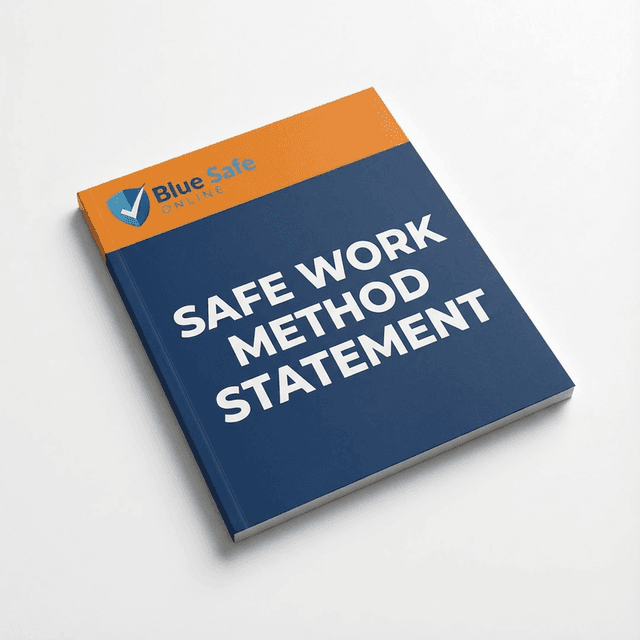
Plumbing Suspended Pipework SWMS
- 100% Compliant with Australian WHS Acts & Regulations
- Fully Editable MS Word & PDF Formats Included
- Pre-filled Content – Ready to Deploy Immediately
- Customisable – Easily Add Your Logo & Site Details
- Includes 2 Years of Free Compliance Updates
Two Ways to Get Started
Upload your logo and company details — we'll customise all your documents automatically.
Download the Word template and edit directly.
Product Overview
This Plumbing Suspended Pipework SWMS is a site-ready Safe Work Method Statement designed to identify hazards and implement controls for installing and working on suspended plumbing systems, helping you maintain strong WHS compliance on every job. It is a comprehensive document that covers planning, installation, testing and maintenance activities for plumbing suspended pipework in commercial, industrial and residential environments.
Activities & Specific Tasks Covered
This document includes specific risk controls for:
- Planning and setting out locations and routes for suspended waste and water pipework
- Selection, inspection and safe use of ladders, mobile scaffolds and elevated work platforms (EWPs) for overhead plumbing work
- Suspended waste pipe installation, including measuring, cutting, joining and supporting pipework at height
- Use of mechanical fixings, hangers, clips, brackets and support systems for suspended pipework
- Manual handling of pipes, fittings and fixtures to minimise strain, crush and impact injuries
- Use of power tools and hand tools for drilling, cutting, threading and fastening into ceilings, soffits and structural members
- Working around existing services (electrical, HVAC, fire, data) and managing service clashes and isolation requirements
- Control of falling objects, including use of tool lanyards, exclusion zones and overhead protection
- Working at height in ceiling spaces, risers and plant rooms, including access, egress and emergency procedures
- Hot works associated with pipe joining (e.g. brazing, soldering) and implementation of hot work permits where required
- Noise, dust and silica exposure from drilling and cutting into concrete, masonry and structural elements
- Testing, flushing and commissioning of suspended pipework systems and managing leaks or failures safely
- Housekeeping, waste management and maintaining clear access ways beneath suspended plumbing works
Who is this for?
This SWMS is designed for commercial and domestic plumbers, hydraulic contractors, mechanical services installers, and site supervisors responsible for suspended plumbing and pipework installations.
Specific Job Steps & Hazards Covered
| Job Step / Activity | Potential Hazards |
|---|---|
| Preparation |
|
| Site Inspection |
|
| Material Transport |
|
| Scaffold Setup |
|
| Measuring and Marking |
|
| Pipe Cutting |
|
| Pipe Threading |
|
| Installation Planning |
|
| Pipe Hoisting |
|
| Joining Pipes |
|
| Supporting Pipework |
|
| Insulation Application |
|
| Pressure Testing |
|
| Leak Detection |
|
| Flushing System |
|
| Pipe Hanger Adjustment |
|
| Fire Stop Installations |
|
| Joint Check |
|
| System Commissioning |
|
| Final Inspection |
|
| Clean-up and Demobilisation |
|
Need to add specific site requirements?
Don't worry if a specific job step isn't listed above. Once you purchase, simply log in to your Client Portal and add your own custom job steps at no extra cost. We take care of the hard work—creating the hazards and control measures for free—to ensure your document is compliant within minutes.
Legislation & References
This document was researched and developed to align with:
- Work Health and Safety Act 2011
- Work Health and Safety Regulations 2017
- Code of Practice: Construction Work – guidance on managing risks associated with construction activities, including overhead and structural work
- Code of Practice: Managing the Risk of Falls at Workplaces – requirements and controls for work at height and in elevated areas
- Code of Practice: Hazardous Manual Tasks – risk management for lifting, carrying and positioning pipes, fittings and equipment
- Code of Practice: Managing Noise and Preventing Hearing Loss at Work – controls for noise generated by drilling, cutting and power tools
- Code of Practice: Managing Risks of Hazardous Chemicals in the Workplace – relevant to adhesives, sealants, primers and cleaning agents used in plumbing installations
- AS/NZS 3500 Plumbing and Drainage – technical requirements for design and installation of plumbing and drainage systems
- AS/NZS 1576 Scaffolding – requirements for the safe use of scaffolding where used to access suspended pipework
- AS/NZS 1891 Industrial Fall-Arrest Systems and Devices – selection and use of fall-arrest equipment where applicable
Standard SWMS Features (Click to Expand)
- Operational guidelines, with a step-by-step approach to safe work
- Possible hazards that may be encountered
- Step-by-step safety procedures to follow
- Before work starts – Guidelines and Checks
- Safety measures and guides
- Operational Safety Checks
- Before and After Risk Ratings
- Risk Assessment Matrix
- High Risk Work Involved
- Emergency Evacuation Procedure
- Plant and Equipment
- Qualifications and Permits
- Specific Personal Protective Equipment (PPE)
- Company Personnel Sign-off form
Suitable for Industries
$79.5
Includes all formats + 2 years updates

Plumbing Suspended Pipework SWMS
- • 100% Compliant with Australian WHS Acts & Regulations
- • Fully Editable MS Word & PDF Formats Included
- • Pre-filled Content – Ready to Deploy Immediately
- • Customisable – Easily Add Your Logo & Site Details
- • Includes 2 Years of Free Compliance Updates
Plumbing Suspended Pipework SWMS
Product Overview
This Plumbing Suspended Pipework SWMS is a site-ready Safe Work Method Statement designed to identify hazards and implement controls for installing and working on suspended plumbing systems, helping you maintain strong WHS compliance on every job. It is a comprehensive document that covers planning, installation, testing and maintenance activities for plumbing suspended pipework in commercial, industrial and residential environments.
Activities & Specific Tasks Covered
This document includes specific risk controls for:
- Planning and setting out locations and routes for suspended waste and water pipework
- Selection, inspection and safe use of ladders, mobile scaffolds and elevated work platforms (EWPs) for overhead plumbing work
- Suspended waste pipe installation, including measuring, cutting, joining and supporting pipework at height
- Use of mechanical fixings, hangers, clips, brackets and support systems for suspended pipework
- Manual handling of pipes, fittings and fixtures to minimise strain, crush and impact injuries
- Use of power tools and hand tools for drilling, cutting, threading and fastening into ceilings, soffits and structural members
- Working around existing services (electrical, HVAC, fire, data) and managing service clashes and isolation requirements
- Control of falling objects, including use of tool lanyards, exclusion zones and overhead protection
- Working at height in ceiling spaces, risers and plant rooms, including access, egress and emergency procedures
- Hot works associated with pipe joining (e.g. brazing, soldering) and implementation of hot work permits where required
- Noise, dust and silica exposure from drilling and cutting into concrete, masonry and structural elements
- Testing, flushing and commissioning of suspended pipework systems and managing leaks or failures safely
- Housekeeping, waste management and maintaining clear access ways beneath suspended plumbing works
Who is this for?
This SWMS is designed for commercial and domestic plumbers, hydraulic contractors, mechanical services installers, and site supervisors responsible for suspended plumbing and pipework installations.
Specific Job Steps & Hazards Covered
| Job Step / Activity | Potential Hazards |
|---|---|
| Preparation |
|
| Site Inspection |
|
| Material Transport |
|
| Scaffold Setup |
|
| Measuring and Marking |
|
| Pipe Cutting |
|
| Pipe Threading |
|
| Installation Planning |
|
| Pipe Hoisting |
|
| Joining Pipes |
|
| Supporting Pipework |
|
| Insulation Application |
|
| Pressure Testing |
|
| Leak Detection |
|
| Flushing System |
|
| Pipe Hanger Adjustment |
|
| Fire Stop Installations |
|
| Joint Check |
|
| System Commissioning |
|
| Final Inspection |
|
| Clean-up and Demobilisation |
|
Need to add specific site requirements?
Don't worry if a specific job step isn't listed above. Once you purchase, simply log in to your Client Portal and add your own custom job steps at no extra cost. We take care of the hard work—creating the hazards and control measures for free—to ensure your document is compliant within minutes.
Legislation & References
This document was researched and developed to align with:
- Work Health and Safety Act 2011
- Work Health and Safety Regulations 2017
- Code of Practice: Construction Work – guidance on managing risks associated with construction activities, including overhead and structural work
- Code of Practice: Managing the Risk of Falls at Workplaces – requirements and controls for work at height and in elevated areas
- Code of Practice: Hazardous Manual Tasks – risk management for lifting, carrying and positioning pipes, fittings and equipment
- Code of Practice: Managing Noise and Preventing Hearing Loss at Work – controls for noise generated by drilling, cutting and power tools
- Code of Practice: Managing Risks of Hazardous Chemicals in the Workplace – relevant to adhesives, sealants, primers and cleaning agents used in plumbing installations
- AS/NZS 3500 Plumbing and Drainage – technical requirements for design and installation of plumbing and drainage systems
- AS/NZS 1576 Scaffolding – requirements for the safe use of scaffolding where used to access suspended pipework
- AS/NZS 1891 Industrial Fall-Arrest Systems and Devices – selection and use of fall-arrest equipment where applicable
Standard SWMS Features (Click to Expand)
- Operational guidelines, with a step-by-step approach to safe work
- Possible hazards that may be encountered
- Step-by-step safety procedures to follow
- Before work starts – Guidelines and Checks
- Safety measures and guides
- Operational Safety Checks
- Before and After Risk Ratings
- Risk Assessment Matrix
- High Risk Work Involved
- Emergency Evacuation Procedure
- Plant and Equipment
- Qualifications and Permits
- Specific Personal Protective Equipment (PPE)
- Company Personnel Sign-off form
$79.5