

Glass Processing Factory Cutting and Polishing SWMS
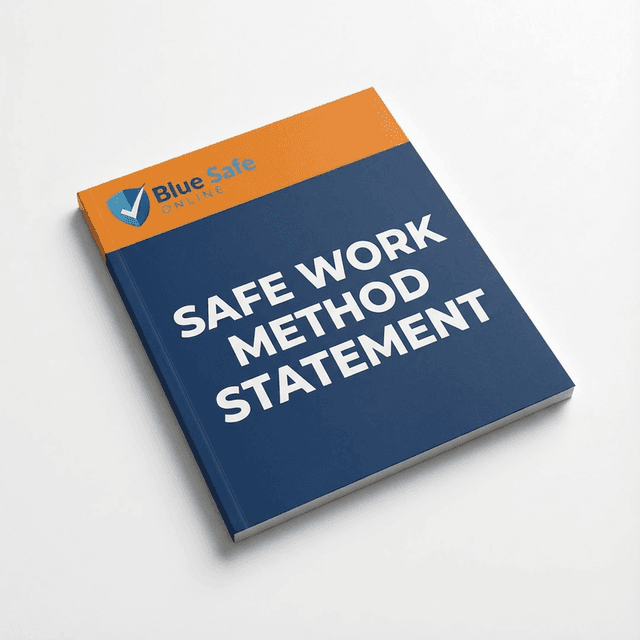
This SWMS covers glass processing activities from receiving and storing sheets through cutting, drilling, grinding, washing, forming, waste management and plant handover.
Activities covered include
- Complete pre-start checks and set up the work area
- Wash and inspect glass
- Maintain plant and complete handover
Download immediately
Your editable Word and PDF files are ready to download after purchase.
Acceptance guaranteed
If your client or principal requests changes during document review, BlueSafe will help revise the document at no extra cost and support resubmission until it is accepted.
- 100% Compliant with Australian WHS Acts & Regulations
- Fully Editable MS Word & PDF Formats Included
- Pre-filled Content - Ready to Deploy Immediately
- Customisable - Easily Add Your Logo & Site Details
- Includes 2 Years of Free Compliance Updates
Product Overview
This SWMS covers glass processing activities from receiving and storing sheets through cutting, drilling, grinding, washing, forming, waste management and plant handover. It supports work planning and risk management by identifying hazards from glass, moving plant, cutting and polishing processes, heat, chemicals and stored energy.
Activities & Specific Tasks Covered
This document includes task-specific risk controls for:
- Complete pre-start checks and set up the work area
- Receive and store glass sheets
- Position plant and conduct operating checks
- Cut glass with hand tools or powered cutting tables
- Drill, aris, grind and polish glass
- Wash and inspect glass
- Construct insulating glass units
- Create laminated glass panels
- Fuse or hot bend glass panels
- Clean up and manage glass waste
- Maintain plant and complete handover
Who is this for?
For contractors, workers, supervisors and businesses carrying out glass cutting, polishing and processing activities.
Specific Job Steps & Hazards Covered
| Job Step / Activity | Potential Hazards |
|---|---|
| Pre-start and work area setup |
|
| Receive and store glass sheets |
|
| Position plant and conduct checks |
|
| Cut glass with hand tools |
|
| Operate powered cutting tables |
|
| Drill and aris glass |
|
| Grind and polish glass |
|
| Wash and inspect glass |
|
| Construct insulating glass units |
|
| Create laminated glass panels |
|
| Fuse glass pieces together |
|
| Hot bend glass panels |
|
| Clean up and manage waste |
|
| Maintain and hand over plant |
|
Need to add specific site requirements?
Use the BlueSafe Portal to tailor this SWMS with site-specific details, job steps, hazards, controls and responsibilities before work starts.
Acceptance Guaranteed: If your client or principal requests changes during document review, BlueSafe will help revise the document at no extra cost and support resubmission until it is accepted.
Legislation & References
The template includes references relevant to the documented work, including:
- Applicable Commonwealth, state or territory WHS/OHS legislation and regulations, including duties to manage risks, consult workers, provide safe plant, control hazardous chemicals, noise, hazardous manual tasks, PPE and electrical risks.
- Model Code of Practice: How to manage work health and safety risks.
- Model Code of Practice: Managing risks of plant in the workplace; apply as guidance where adopted or otherwise use the applicable jurisdictional equivalent.
- Model Code of Practice: Hazardous manual tasks; apply as guidance where adopted or otherwise use the applicable jurisdictional equivalent.
- Model Code of Practice: Managing noise and preventing hearing loss at work; apply as guidance where adopted or otherwise use the applicable jurisdictional equivalent.
- Model Code of Practice: Managing risks of hazardous chemicals in the workplace; apply as guidance where adopted or otherwise use the applicable jurisdictional equivalent.
- Model Code of Practice: Managing risks of respirable crystalline silica in the workplace; verify material composition through SDS or product information, and control any processing of crystalline silica substances using isolation, wet suppression, on-tool extraction or LEV before relying on RPE.
- Model Code of Practice: Confined spaces, where maintenance entry to a washer tank, pit, duct or kiln chamber is proposed.
- AS/NZS 4024 series Safety of machinery; AS/NZS 3000 Electrical installations; AS/NZS 1715 and AS/NZS 1716 Respiratory protective equipment; AS/NZS 1337.1 Eye and face protection; AS/NZS 1270 Hearing protectors; AS/NZS 2210.3 Safety footwear; AS/NZS 2161 Occupational protective gloves; AS 1288 Glass in buildings—Selection and installation; AS 2550 and AS 1418 series for cranes, hoists and lifting equipment, as applicable.
- This national template is guidance only. Model WHS laws and model Codes do not automatically have legal effect in every jurisdiction; confirm the current legislation, codes, regulator guidance and any local requirements before issue. Glass is generally amorphous silica, but coatings, contaminants, adjacent materials and non-glass products must be assessed rather than assumed safe.
Standard SWMS Features (Click to Expand)
- Task-specific job steps, hazards and control measures
- Initial and residual risk ratings
- Assigned responsible persons for each job step
- Plant, equipment and PPE requirements where applicable
- Permits, qualifications and high-risk construction work details where applicable
- Worker consultation, sign-off and review sections
Suitable for Industries
Related templates
$79.50
$96.80
Includes all formats + 2 years updates
Acceptance guaranteed
If your client or principal requests changes during document review, BlueSafe will help revise the document at no extra cost and support resubmission until it is accepted.
$79.50
$96.80
One-time payment