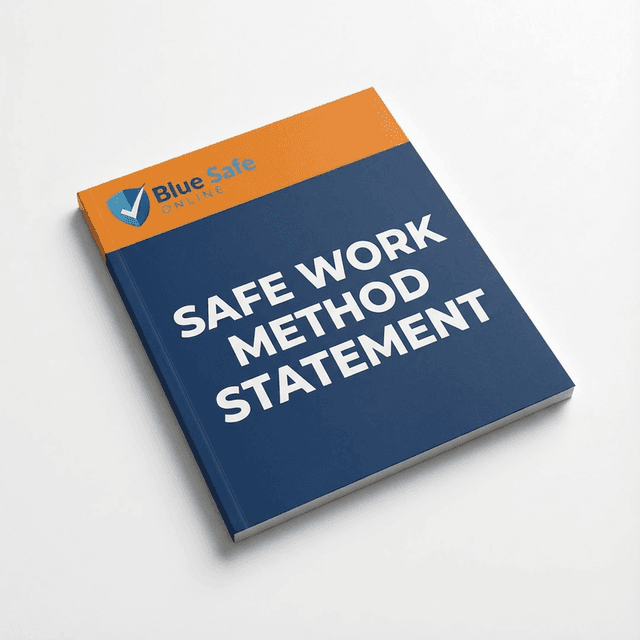
Disconnection Of Gas Lines SWMS
- 100% Compliant with Australian WHS Acts & Regulations
- Fully Editable MS Word & PDF Formats Included
- Pre-filled Content – Ready to Deploy Immediately
- Customisable – Easily Add Your Logo & Site Details
- Includes 2 Years of Free Compliance Updates
Two Ways to Get Started
Upload your logo and company details — we'll customise all your documents automatically.
Download the Word template and edit directly.
Product Overview
This Safe Work Method Statement (SWMS) for Disconnection Of Gas Lines sets out the critical steps, risk controls, and responsibilities required to safely isolate and disconnect gas services on Australian worksites. It is a comprehensive, pre-filled document designed to support WHS compliance and the safe management of high risk construction work involving gas installations and alterations.
Activities & Specific Tasks Covered
This document includes specific risk controls for:
- Planning and preparation for gas line disconnection, including site assessment and consultation with relevant duty holders
- Verification of gas supply isolation, including lockout/tagout procedures and confirmation of zero energy state
- Use of calibrated gas detection equipment to check for residual gas and potential leaks prior to disconnection
- Safe depressurisation and venting of gas lines to minimise the risk of explosion, fire, or asphyxiation
- Selection and use of intrinsically safe tools and non-sparking equipment in hazardous atmospheres
- Implementation of hot work controls where cutting, grinding, or welding near gas lines is required
- Control of ignition sources, including electrical equipment, static discharge, and nearby plant or vehicles
- Safe disconnection, capping, and sealing of redundant gas lines to prevent future leaks or inadvertent reconnection
- Handling, temporary storage, and disposal of removed gas fittings, pipework, and associated waste materials
- Emergency response procedures for gas leaks, fire, or worker exposure, including evacuation and communication protocols
- Coordination with other trades and site management to manage overlapping works and shared risks
- Use of appropriate personal protective equipment (PPE) such as flame-resistant clothing, eye protection, and respiratory protection where required
- Documentation of permits to work, isolation certificates, and post-disconnection testing and verification records
Who is this for?
This SWMS is designed for licensed gas fitters, plumbers, mechanical services contractors, facility maintenance teams, and site supervisors involved in the isolation, alteration, or removal of gas services on Australian worksites.
Specific Job Steps & Hazards Covered
| Job Step / Activity | Potential Hazards |
|---|---|
| 1. Preparation |
|
| 2. Identify isolation point |
|
| 3. Conduct hazard identification |
|
| 4. Isolate gas service |
|
| 5. Purge gas line |
|
| 6. Disconnection of gas line |
|
| 7. Cap and seal open ends |
|
| 8. Conduct integrity testing |
|
| 9. Inspect work area |
|
| 10. Reinstatement of services |
|
| 11. Test operation |
|
| 12. Cleanup and disposal of waste |
|
| 13. Final inspection |
|
| 14. Documentation |
|
| 15. Reporting |
|
| 16. Review SWMS process |
|
| 17. Training of workers |
|
| 18. Gas leak detection |
|
| 19. Handling tools and equipment |
|
| 20. Emergency procedures |
|
| Various hazards managed |
Need to add specific site requirements?
Don't worry if a specific job step isn't listed above. Once you purchase, simply log in to your Client Portal and add your own custom job steps at no extra cost. We take care of the hard work—creating the hazards and control measures for free—to ensure your document is compliant within minutes.
Legislation & References
This document was researched and developed to align with:
- Safe Work Australia – Managing Risks of Hazardous Chemicals in the Workplace Code of Practice: Guidance on identifying, assessing, and controlling risks from hazardous chemicals, including fuel gases.
- Safe Work Australia – Managing the Risk of Fire and Explosions at the Workplace Code of Practice: Requirements for controlling ignition sources and preventing fires and explosions during gas work.
- Safe Work Australia – How to Manage Work Health and Safety Risks Code of Practice: Framework for risk management applied to gas line disconnection activities.
- Safe Work Australia – Construction Work Code of Practice: Requirements for planning and managing high risk construction work involving services and utilities.
- AS/NZS 5601 Gas Installations: Technical requirements for the safe installation, alteration, and disconnection of gas installations.
- AS/NZS 60079 (Series) Explosive Atmospheres: Requirements for equipment and work practices in potentially explosive gas atmospheres.
- Work Health and Safety Act 2011
- Work Health and Safety Regulations 2017
Standard SWMS Features (Click to Expand)
- Operational guidelines, with a step-by-step approach to safe work
- Possible hazards that may be encountered
- Step-by-step safety procedures to follow
- Before work starts – Guidelines and Checks
- Safety measures and guides
- Operational Safety Checks
- Before and After Risk Ratings
- Risk Assessment Matrix
- High Risk Work Involved
- Emergency Evacuation Procedure
- Plant and Equipment
- Qualifications and Permits
- Specific Personal Protective Equipment (PPE)
- Company Personnel Sign-off form
Suitable for Industries
$96.8
Includes all formats + 2 years updates

Disconnection Of Gas Lines SWMS
- • 100% Compliant with Australian WHS Acts & Regulations
- • Fully Editable MS Word & PDF Formats Included
- • Pre-filled Content – Ready to Deploy Immediately
- • Customisable – Easily Add Your Logo & Site Details
- • Includes 2 Years of Free Compliance Updates
Disconnection Of Gas Lines SWMS
Product Overview
This Safe Work Method Statement (SWMS) for Disconnection Of Gas Lines sets out the critical steps, risk controls, and responsibilities required to safely isolate and disconnect gas services on Australian worksites. It is a comprehensive, pre-filled document designed to support WHS compliance and the safe management of high risk construction work involving gas installations and alterations.
Activities & Specific Tasks Covered
This document includes specific risk controls for:
- Planning and preparation for gas line disconnection, including site assessment and consultation with relevant duty holders
- Verification of gas supply isolation, including lockout/tagout procedures and confirmation of zero energy state
- Use of calibrated gas detection equipment to check for residual gas and potential leaks prior to disconnection
- Safe depressurisation and venting of gas lines to minimise the risk of explosion, fire, or asphyxiation
- Selection and use of intrinsically safe tools and non-sparking equipment in hazardous atmospheres
- Implementation of hot work controls where cutting, grinding, or welding near gas lines is required
- Control of ignition sources, including electrical equipment, static discharge, and nearby plant or vehicles
- Safe disconnection, capping, and sealing of redundant gas lines to prevent future leaks or inadvertent reconnection
- Handling, temporary storage, and disposal of removed gas fittings, pipework, and associated waste materials
- Emergency response procedures for gas leaks, fire, or worker exposure, including evacuation and communication protocols
- Coordination with other trades and site management to manage overlapping works and shared risks
- Use of appropriate personal protective equipment (PPE) such as flame-resistant clothing, eye protection, and respiratory protection where required
- Documentation of permits to work, isolation certificates, and post-disconnection testing and verification records
Who is this for?
This SWMS is designed for licensed gas fitters, plumbers, mechanical services contractors, facility maintenance teams, and site supervisors involved in the isolation, alteration, or removal of gas services on Australian worksites.
Specific Job Steps & Hazards Covered
| Job Step / Activity | Potential Hazards |
|---|---|
| 1. Preparation |
|
| 2. Identify isolation point |
|
| 3. Conduct hazard identification |
|
| 4. Isolate gas service |
|
| 5. Purge gas line |
|
| 6. Disconnection of gas line |
|
| 7. Cap and seal open ends |
|
| 8. Conduct integrity testing |
|
| 9. Inspect work area |
|
| 10. Reinstatement of services |
|
| 11. Test operation |
|
| 12. Cleanup and disposal of waste |
|
| 13. Final inspection |
|
| 14. Documentation |
|
| 15. Reporting |
|
| 16. Review SWMS process |
|
| 17. Training of workers |
|
| 18. Gas leak detection |
|
| 19. Handling tools and equipment |
|
| 20. Emergency procedures |
|
| Various hazards managed |
Need to add specific site requirements?
Don't worry if a specific job step isn't listed above. Once you purchase, simply log in to your Client Portal and add your own custom job steps at no extra cost. We take care of the hard work—creating the hazards and control measures for free—to ensure your document is compliant within minutes.
Legislation & References
This document was researched and developed to align with:
- Safe Work Australia – Managing Risks of Hazardous Chemicals in the Workplace Code of Practice: Guidance on identifying, assessing, and controlling risks from hazardous chemicals, including fuel gases.
- Safe Work Australia – Managing the Risk of Fire and Explosions at the Workplace Code of Practice: Requirements for controlling ignition sources and preventing fires and explosions during gas work.
- Safe Work Australia – How to Manage Work Health and Safety Risks Code of Practice: Framework for risk management applied to gas line disconnection activities.
- Safe Work Australia – Construction Work Code of Practice: Requirements for planning and managing high risk construction work involving services and utilities.
- AS/NZS 5601 Gas Installations: Technical requirements for the safe installation, alteration, and disconnection of gas installations.
- AS/NZS 60079 (Series) Explosive Atmospheres: Requirements for equipment and work practices in potentially explosive gas atmospheres.
- Work Health and Safety Act 2011
- Work Health and Safety Regulations 2017
Standard SWMS Features (Click to Expand)
- Operational guidelines, with a step-by-step approach to safe work
- Possible hazards that may be encountered
- Step-by-step safety procedures to follow
- Before work starts – Guidelines and Checks
- Safety measures and guides
- Operational Safety Checks
- Before and After Risk Ratings
- Risk Assessment Matrix
- High Risk Work Involved
- Emergency Evacuation Procedure
- Plant and Equipment
- Qualifications and Permits
- Specific Personal Protective Equipment (PPE)
- Company Personnel Sign-off form
$96.8