

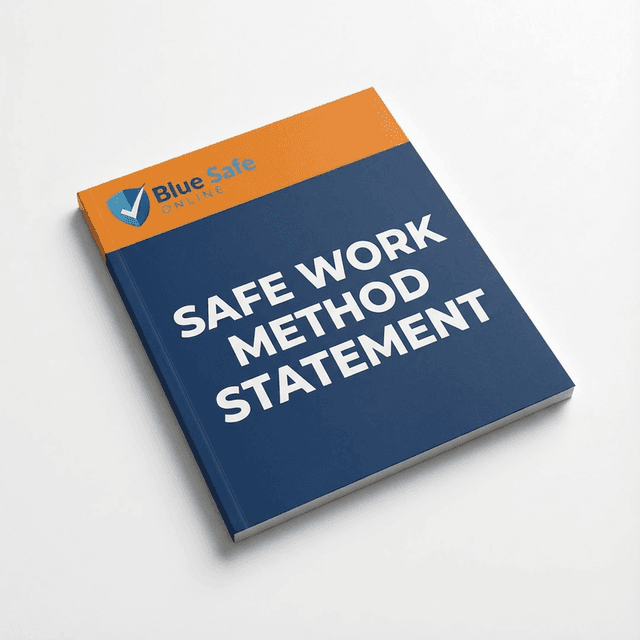
Confined Space Entry and Rescue SWMS
- -100% Compliant with Australian WHS Acts & Regulations
- -Fully Editable MS Word & PDF Formats Included
- -Pre-filled Content - Ready to Deploy Immediately
- -Customisable - Easily Add Your Logo & Site Details
- -Includes 2 Years of Free Compliance Updates
Two Ways to Get Started
Upload your logo and company details - we'll customise all your documents automatically.
Download the Word template and edit directly.
Product Overview
This Confined Space Entry and Rescue Safe Work Method Statement (SWMS) is a fully editable safety document designed to identify hazards, assess risks, and implement controls for all stages of confined space work and rescue operations. It provides a comprehensive, integrated approach to confined space safety and WHS compliance across multiple environments, plant types, and work methods.
Activities & Specific Tasks Covered
This document includes specific risk controls for:
- Safe access and egress procedures for tight, restricted, or difficult-to-reach spaces
- Planning and execution of confined space entry and exit, including isolation, permitting, and standby personnel
- Confined space entry during drilling operations, including interaction with plant, services, and vibration hazards
- Confined space entry during maintenance activities, including inspection, cleaning, and repair tasks
- Welding, cutting, and hot work inside confined spaces, including fire, fume, and explosion controls
- Identification, monitoring, and control of sewer gases and other hazardous atmospheres
- Entry into maintenance tunnels, pits, and similar underground confined spaces
- Entry into gas tanks for internal cleaning, inspection, and repair works
- Work in basements, cellars, and below-ground structures with limited natural ventilation
- Management of risks associated with poor or improper ventilation, including use of mechanical ventilation and atmospheric testing
- Work inside tanks, vessels, silos, and other enclosed containers with restricted access
- Manoeuvring through tight spaces and navigating complex confined space layouts safely
- Participation in confined space entry as entrant, standby, or permit issuer, including communication protocols
- Confined space work in fuel storage tanks, including flammable vapour control and ignition source management
- Emergency response and rescue procedures for incapacitated workers within confined spaces
Who is this for?
This SWMS is designed for maintenance crews, industrial cleaners, mechanical and electrical trades, tank and vessel contractors, water and wastewater utilities, emergency response teams, and site supervisors responsible for confined space entry and rescue operations.
Specific Job Steps & Hazards Covered
| Job Step / Activity | Potential Hazards |
|---|---|
| Pre-start planning and consultation |
|
| Confined space identification and isolation |
|
| Permit issue and access control |
|
| Pre-entry atmospheric testing |
|
| Ventilation and atmosphere control |
|
| Access, egress and pit cover handling |
|
| Personal protective equipment and communication |
|
| Confined space work and manoeuvring |
|
| Welding and hot work in confined spaces |
|
| Sewer, sanitation and biological hazards |
|
| Fuel, gas tank and vessel cleaning |
|
| Entry during drilling and maintenance operations |
|
| Standby person and continuous monitoring |
|
| Rescue planning and emergency response |
|
| Post-work decontamination and close-out |
|
Need to add specific site requirements?
Don't worry if a specific job step isn't listed above. Once you purchase, simply log in to your Client Portal and add your own custom job steps at no extra cost. We take care of the hard work—creating the hazards and control measures for free—to ensure your document is compliant within minutes.
Legislation & References
This document was researched and developed to align with:
- Safe Work Australia – Confined Spaces Code of Practice: Guidance on managing risks associated with work in confined spaces
- Safe Work Australia – How to Manage Work Health and Safety Risks Code of Practice: Framework for hazard identification, risk assessment, and control implementation
- Safe Work Australia – First Aid in the Workplace Code of Practice: Requirements for first aid arrangements supporting confined space work
- Safe Work Australia – Managing the Risk of Falls at Workplaces Code of Practice: Relevant where access to confined spaces involves ladders, hatches, or elevated work areas
- AS 2865 Confined Spaces: Requirements and guidance for entry, working in, and rescue from confined spaces
- AS/NZS 60079 (Explosive Atmospheres series): Applicable to confined space work in flammable or explosive atmospheres such as fuel storage tanks
- AS/NZS 1715 & AS/NZS 1716: Selection, use, and performance of respiratory protective equipment for hazardous atmospheres
- AS/NZS 1891 (Industrial fall-arrest systems and devices): Use of harnesses and retrieval systems for vertical entry and rescue
- Work Health and Safety Act 2011
- Work Health and Safety Regulations 2017
Standard SWMS Features (Click to Expand)
- Operational guidelines, with a step-by-step approach to safe work
- Possible hazards that may be encountered
- Step-by-step safety procedures to follow
- Before work starts – Guidelines and Checks
- Safety measures and guides
- Operational Safety Checks
- Before and After Risk Ratings
- Risk Assessment Matrix
- High Risk Work Involved
- Emergency Evacuation Procedure
- Plant and Equipment
- Qualifications and Permits
- Specific Personal Protective Equipment (PPE)
- Company Personnel Sign-off form
Suitable for Industries
$96.80
Includes all formats + 2 years updates
$96.80