

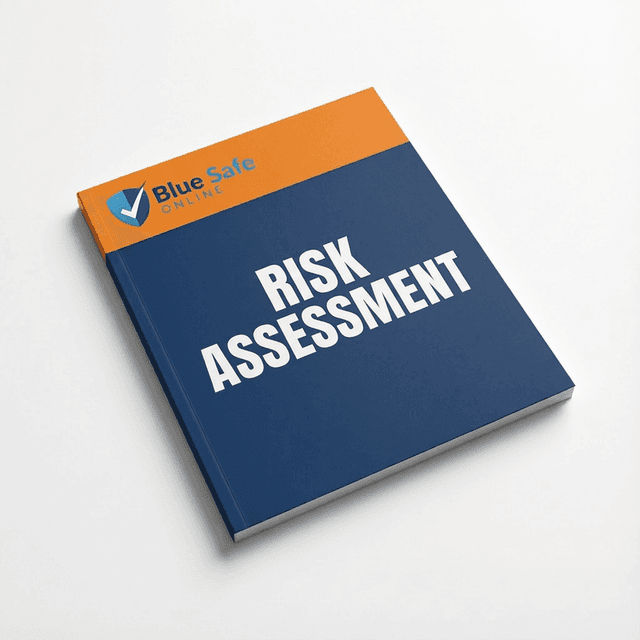
Wood Chipper Risk Assessment
- 100% Compliant with Australian WHS Acts & Regulations
- Fully Editable MS Word & PDF Formats Included
- Pre-filled Content – Ready to Deploy Immediately
- Customisable – Easily Add Your Logo & Site Details
- Includes 2 Years of Free Compliance Updates
Two Ways to Get Started
Upload your logo and company details — we'll customise all your documents automatically.
Download the Word template and edit directly.
Product Overview
Identify and control organisational risks associated with wood chipper procurement, planning, operation and oversight using this management‑level Wood Chipper Risk Assessment. This document supports executive Due Diligence, strengthens WHS Risk Management systems, and helps demonstrate compliance with the WHS Act while reducing operational liability exposure.
Risk Categories & Hazards Covered
This document assesses risks and outlines management controls for:
- Procurement, Design Selection & Guarding Compliance: Assessment of pre‑purchase criteria, guarding standards, safety features, and supplier documentation to ensure wood chippers meet Australian WHS and plant safety requirements.
- Site Planning, Layout & Public Interface Management: Management of work area set‑up, exclusion zones, pedestrian and public separation, signage and traffic interface to minimise exposure to chipping operations.
- Organisational Governance, WHS Responsibilities & Consultation: Clarification of PCBU, officer and worker duties, consultation arrangements, and safety leadership structures for wood chipper operations.
- Operator Competency, Training & Authorisation: Protocols for competency assessment, VOC, licensing requirements, refresher training and formal authorisation to operate wood chippers.
- Safe Operating Procedures & Work Method Systems: Development and control of documented procedures, supervision expectations, start‑up/shut‑down systems and integration with existing WHS management processes.
- Maintenance, Inspection & Pre‑Start Systems: Scheduled servicing, pre‑start checklists, defect reporting, and management of plant condition to prevent mechanical failure and unsafe operation.
- Isolation, Lock‑Out/Tag‑Out & Jam Clearing Management: Systems for energy isolation, guarding removal controls, jam clearing protocols and verification of zero‑energy state before intervention.
- Noise, Vibration, Dust & Environmental Exposure Controls: Assessment of exposure levels, engineering and administrative controls, monitoring requirements and environmental impact considerations.
- Ergonomics, Manual Handling & Material Flow Management: Management of feed practices, push/pull forces, repetitive tasks and work area design to reduce musculoskeletal injury risk.
- Weather, Terrain & Remote/Isolated Work Management: Controls for heat, cold, wind, unstable ground, slopes and communication systems for lone or remote wood chipper operations.
- Roadside, Mobile & Traffic‑Adjacent Operations: Traffic management planning, vehicle positioning, work near roads, and coordination with local authorities and principal contractors.
- Contractor, Labour Hire & Subcontractor Management: Pre‑qualification, information exchange, supervision, and verification of contractor safety systems when using wood chippers.
- Emergency Preparedness, First Aid & Incident Management: Planning for entanglement, ejection, fire, medical emergencies, rescue arrangements and post‑incident investigation processes.
- PPE Programs, Fit, Selection & Compliance Monitoring: Selection of appropriate PPE for noise, eye, hand and limb protection, fit‑testing, training and enforcement of PPE use.
- Documentation, Records & Continuous Improvement: Management of policies, risk registers, training records, inspections, audits and review processes to demonstrate ongoing WHS due diligence.
Who is this for?
This Risk Assessment is designed for Business Owners, General Managers, Safety Managers and Supervisors responsible for planning, approving and overseeing wood chipper operations within their organisation.
Hazards & Risks Covered
| Hazard | Risk Description |
|---|---|
| 1. Procurement, Design Selection and Guarding Compliance |
|
| 2. Site Planning, Layout and Public Interface Management |
|
| 3. Organisational Governance, WHS Responsibilities and Consultation |
|
| 4. Operator Competency, Training and Authorisation |
|
| 5. Safe Operating Procedures and Work Method Systems |
|
| 6. Maintenance, Inspection and Pre‑Start Systems |
|
| 7. Isolation, Lock‑Out/Tag‑Out and Jam Clearing Management |
|
| 8. Noise, Vibration, Dust and Environmental Exposure Controls |
|
| 9. Ergonomics, Manual Handling and Material Flow Management |
|
| 10. Weather, Terrain and Remote/Isolated Work Management |
|
| 11. Roadside, Mobile and Traffic‑Adjacent Operations |
|
| 12. Contractor, Labour Hire and Subcontractor Management |
|
| 13. Emergency Preparedness, First Aid and Incident Management |
|
| 14. PPE Programs, Fit, Selection and Compliance Monitoring |
|
| 15. Documentation, Records and Continuous Improvement |
|
Need to add specific hazards for your workplace?
Don't worry if a specific hazard isn't listed above. Once you purchase, simply log in to your Client Portal and add your own custom hazards at no extra cost. We take care of the hard work—creating the risk ratings and control measures for free—to ensure your document is compliant within minutes.
Legislation & References
This document was researched and developed to align with:
- Work Health and Safety Act 2011
- Work Health and Safety Regulations 2017
- AS/NZS ISO 31000:2018: Risk management — Guidelines
- Managing Risks of Plant in the Workplace Code of Practice: Guidance on identifying and controlling risks associated with plant such as wood chippers.
- Managing Noise and Preventing Hearing Loss at Work Code of Practice: Requirements and controls for noise generated by wood chipping operations.
- How to Manage Work Health and Safety Risks Code of Practice: Framework for systematic hazard identification, risk assessment and control.
- Managing the Work Environment and Facilities Code of Practice: Requirements for safe work areas, amenities and environmental conditions.
- Safe Work Australia – Guide to Managing Risks of Tree Trimming and Removal Work: Industry guidance relevant to mobile wood chipping and associated arboricultural activities.
- AS 4024 (Safety of Machinery) series: Principles for machinery guarding, emergency stops and control systems applicable to wood chippers.
- AS/NZS 4801 / ISO 45001: Occupational health and safety management systems — requirements for structured WHS governance and continual improvement.
Standard Risk Assessment Features (Click to Expand)
- Comprehensive hazard identification for all activities
- Risk rating matrix with likelihood and consequence analysis
- Existing control measures evaluation
- Residual risk assessment after controls
- Hierarchy of controls recommendations
- Action priority rankings
- Review and monitoring requirements
- Consultation and communication records
- Legal compliance references
- Sign-off and approval sections
Suitable for Industries
$79.5
Includes all formats + 2 years updates
Wood Chipper Risk Assessment
- • 100% Compliant with Australian WHS Acts & Regulations
- • Fully Editable MS Word & PDF Formats Included
- • Pre-filled Content – Ready to Deploy Immediately
- • Customisable – Easily Add Your Logo & Site Details
- • Includes 2 Years of Free Compliance Updates
Wood Chipper Risk Assessment
Product Overview
Identify and control organisational risks associated with wood chipper procurement, planning, operation and oversight using this management‑level Wood Chipper Risk Assessment. This document supports executive Due Diligence, strengthens WHS Risk Management systems, and helps demonstrate compliance with the WHS Act while reducing operational liability exposure.
Risk Categories & Hazards Covered
This document assesses risks and outlines management controls for:
- Procurement, Design Selection & Guarding Compliance: Assessment of pre‑purchase criteria, guarding standards, safety features, and supplier documentation to ensure wood chippers meet Australian WHS and plant safety requirements.
- Site Planning, Layout & Public Interface Management: Management of work area set‑up, exclusion zones, pedestrian and public separation, signage and traffic interface to minimise exposure to chipping operations.
- Organisational Governance, WHS Responsibilities & Consultation: Clarification of PCBU, officer and worker duties, consultation arrangements, and safety leadership structures for wood chipper operations.
- Operator Competency, Training & Authorisation: Protocols for competency assessment, VOC, licensing requirements, refresher training and formal authorisation to operate wood chippers.
- Safe Operating Procedures & Work Method Systems: Development and control of documented procedures, supervision expectations, start‑up/shut‑down systems and integration with existing WHS management processes.
- Maintenance, Inspection & Pre‑Start Systems: Scheduled servicing, pre‑start checklists, defect reporting, and management of plant condition to prevent mechanical failure and unsafe operation.
- Isolation, Lock‑Out/Tag‑Out & Jam Clearing Management: Systems for energy isolation, guarding removal controls, jam clearing protocols and verification of zero‑energy state before intervention.
- Noise, Vibration, Dust & Environmental Exposure Controls: Assessment of exposure levels, engineering and administrative controls, monitoring requirements and environmental impact considerations.
- Ergonomics, Manual Handling & Material Flow Management: Management of feed practices, push/pull forces, repetitive tasks and work area design to reduce musculoskeletal injury risk.
- Weather, Terrain & Remote/Isolated Work Management: Controls for heat, cold, wind, unstable ground, slopes and communication systems for lone or remote wood chipper operations.
- Roadside, Mobile & Traffic‑Adjacent Operations: Traffic management planning, vehicle positioning, work near roads, and coordination with local authorities and principal contractors.
- Contractor, Labour Hire & Subcontractor Management: Pre‑qualification, information exchange, supervision, and verification of contractor safety systems when using wood chippers.
- Emergency Preparedness, First Aid & Incident Management: Planning for entanglement, ejection, fire, medical emergencies, rescue arrangements and post‑incident investigation processes.
- PPE Programs, Fit, Selection & Compliance Monitoring: Selection of appropriate PPE for noise, eye, hand and limb protection, fit‑testing, training and enforcement of PPE use.
- Documentation, Records & Continuous Improvement: Management of policies, risk registers, training records, inspections, audits and review processes to demonstrate ongoing WHS due diligence.
Who is this for?
This Risk Assessment is designed for Business Owners, General Managers, Safety Managers and Supervisors responsible for planning, approving and overseeing wood chipper operations within their organisation.
Hazards & Risks Covered
| Hazard | Risk Description |
|---|---|
| 1. Procurement, Design Selection and Guarding Compliance |
|
| 2. Site Planning, Layout and Public Interface Management |
|
| 3. Organisational Governance, WHS Responsibilities and Consultation |
|
| 4. Operator Competency, Training and Authorisation |
|
| 5. Safe Operating Procedures and Work Method Systems |
|
| 6. Maintenance, Inspection and Pre‑Start Systems |
|
| 7. Isolation, Lock‑Out/Tag‑Out and Jam Clearing Management |
|
| 8. Noise, Vibration, Dust and Environmental Exposure Controls |
|
| 9. Ergonomics, Manual Handling and Material Flow Management |
|
| 10. Weather, Terrain and Remote/Isolated Work Management |
|
| 11. Roadside, Mobile and Traffic‑Adjacent Operations |
|
| 12. Contractor, Labour Hire and Subcontractor Management |
|
| 13. Emergency Preparedness, First Aid and Incident Management |
|
| 14. PPE Programs, Fit, Selection and Compliance Monitoring |
|
| 15. Documentation, Records and Continuous Improvement |
|
Need to add specific hazards for your workplace?
Don't worry if a specific hazard isn't listed above. Once you purchase, simply log in to your Client Portal and add your own custom hazards at no extra cost. We take care of the hard work—creating the risk ratings and control measures for free—to ensure your document is compliant within minutes.
Legislation & References
This document was researched and developed to align with:
- Work Health and Safety Act 2011
- Work Health and Safety Regulations 2017
- AS/NZS ISO 31000:2018: Risk management — Guidelines
- Managing Risks of Plant in the Workplace Code of Practice: Guidance on identifying and controlling risks associated with plant such as wood chippers.
- Managing Noise and Preventing Hearing Loss at Work Code of Practice: Requirements and controls for noise generated by wood chipping operations.
- How to Manage Work Health and Safety Risks Code of Practice: Framework for systematic hazard identification, risk assessment and control.
- Managing the Work Environment and Facilities Code of Practice: Requirements for safe work areas, amenities and environmental conditions.
- Safe Work Australia – Guide to Managing Risks of Tree Trimming and Removal Work: Industry guidance relevant to mobile wood chipping and associated arboricultural activities.
- AS 4024 (Safety of Machinery) series: Principles for machinery guarding, emergency stops and control systems applicable to wood chippers.
- AS/NZS 4801 / ISO 45001: Occupational health and safety management systems — requirements for structured WHS governance and continual improvement.
Standard Risk Assessment Features (Click to Expand)
- Comprehensive hazard identification for all activities
- Risk rating matrix with likelihood and consequence analysis
- Existing control measures evaluation
- Residual risk assessment after controls
- Hierarchy of controls recommendations
- Action priority rankings
- Review and monitoring requirements
- Consultation and communication records
- Legal compliance references
- Sign-off and approval sections
$79.5