

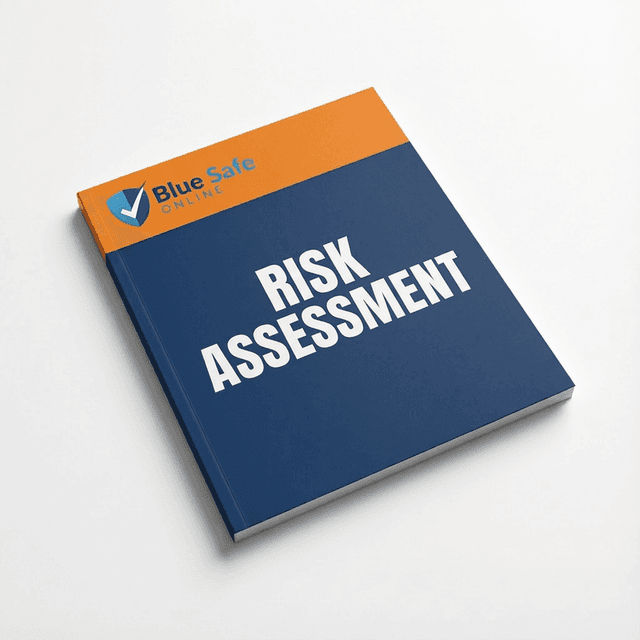
Small Vessel Launch and Transport Risk Assessment
- 100% Compliant with Australian WHS Acts & Regulations
- Fully Editable MS Word & PDF Formats Included
- Pre-filled Content – Ready to Deploy Immediately
- Customisable – Easily Add Your Logo & Site Details
- Includes 2 Years of Free Compliance Updates
Two Ways to Get Started
Upload your logo and company details — we'll customise all your documents automatically.
Download the Word template and edit directly.
Product Overview
Identify and control organisational risks associated with Small Vessel Launch and Transport operations using this management-level Risk Assessment, focused on systems, planning and governance rather than task-by-task procedures. This document supports WHS Act compliance, demonstrates Due Diligence and strengthens your organisation’s WHS Risk Management framework to reduce operational and legal exposure.
Risk Categories & Hazards Covered
This document assesses risks and outlines management controls for:
- Governance, Legal Compliance & Duty of Care: Assessment of WHS responsibilities, officer due diligence, legal exposure and the integration of small vessel activities into overarching corporate risk frameworks.
- Organisational Safety Leadership & Culture: Management of safety values, leadership behaviours, consultation mechanisms and reporting pathways that influence vessel launch and transport decisions.
- Competency, Licensing & Training Systems: Evaluation of skipper licensing, crew competence, driver training and refresher programs for personnel involved in towing, launching, retrieving and transporting small vessels.
- Asset Procurement, Design & Engineering Controls: Oversight of vessel and trailer selection, design suitability, load ratings, braking systems and engineered controls to minimise risk across the fleet.
- Maintenance, Inspection & Pre-Start Systems: Management of inspection regimes, defect reporting, pre-start checklists and preventative maintenance for vessels, trailers, vehicles and associated equipment.
- Journey Management & Transport Planning: Assessment of route selection, journey scheduling, load configuration, speed management and contingency planning for vessel transport by road.
- Slipway, Ramp & Launch Site Management: Control of access, traffic flow, signage, lighting, surface condition and site-specific procedures at ramps, marinas, beaches and other launch/retrieval locations.
- Vessel Loading, Securing & Stability Management: Systems for load distribution, tie-down methods, trailer coupling integrity, vessel buoyancy and stability considerations during both transport and launch.
- Customer Interface, Hire Management & Public Safety: Protocols for briefing customers, hire agreements, supervision levels, exclusion zones and public interaction at ramps, jetties and shorelines.
- Fatigue, Alcohol & Fitness for Work Management: Organisational controls for fatigue risk, drug and alcohol policies, medical fitness, and supervision of personnel operating vehicles and vessels.
- Environmental, Weather & Waterway Risk Management: Planning for tides, currents, visibility, severe weather, environmental protection obligations and local waterway conditions affecting launch and transport.
- Manual Handling, Ergonomics & Use of Mechanical Aids: Management of lifting, pushing and pulling tasks, ramp handling, use of winches and other mechanical aids to reduce musculoskeletal injury risk.
- Communication, Navigation & Emergency Response Systems: Provision and management of radios, mobile and satellite communications, navigation aids, emergency equipment and incident response procedures.
- Contractor, Labour Hire & Third-Party Management: Controls for vetting, onboarding, supervising and monitoring contractors, transport providers and hire partners involved in vessel operations.
- Documentation, Records, Audits & Continuous Improvement: Systems for maintaining records, conducting audits, analysing incidents and implementing corrective actions across small vessel launch and transport activities.
Who is this for?
This Risk Assessment is designed for Business Owners, Operations Managers, Marine Managers and Safety Officers responsible for planning, governing and overseeing Small Vessel Launch and Transport activities across their organisation.
Hazards & Risks Covered
| Hazard | Risk Description |
|---|---|
| 1. Governance, Legal Compliance & Duty of Care |
|
| 2. Organisational Safety Leadership & Culture |
|
| 3. Competency, Licensing & Training Systems |
|
| 4. Asset Procurement, Design & Engineering Controls |
|
| 5. Maintenance, Inspection & Pre-Start Systems |
|
| 6. Journey Management & Transport Planning |
|
| 7. Slipway, Ramp & Launch Site Management |
|
| 8. Vessel Loading, Securing & Stability Management |
|
| 9. Customer Interface, Hire Management & Public Safety |
|
| 10. Fatigue, Alcohol & Fitness for Work Management |
|
| 11. Environmental, Weather & Waterway Risk Management |
|
| 12. Manual Handling, Ergonomics & Use of Mechanical Aids |
|
| 13. Communication, Navigation & Emergency Response Systems |
|
| 14. Contractor, Labour Hire & Third-Party Management |
|
| 15. Documentation, Records, Audits & Continuous Improvement |
|
Need to add specific hazards for your workplace?
Don't worry if a specific hazard isn't listed above. Once you purchase, simply log in to your Client Portal and add your own custom hazards at no extra cost. We take care of the hard work—creating the risk ratings and control measures for free—to ensure your document is compliant within minutes.
Legislation & References
This document was researched and developed to align with:
- Work Health and Safety Act 2011
- Work Health and Safety Regulations 2017
- AS/NZS ISO 31000:2018: Risk management — Guidelines
- AS/NZS 4801 / ISO 45001: Occupational health and safety management systems — Requirements for implementing a systematic WHS framework.
- AS 1742: Manual of uniform traffic control devices — Guidance for traffic management at ramps, slipways and launch sites.
- AS/NZS 3004: Electrical installations – Marinas and recreational boats — Electrical safety for vessels and associated infrastructure.
- AS 3962: Marina design — Design and operational considerations for safe vessel access and berthing environments.
- Marine Safety (Domestic Commercial Vessel) National Law Act 2012 & Marine Orders: National requirements for vessel safety, crewing and operations where applicable.
- National Standard for Commercial Vessels (NSCV): Technical and operational requirements for the design, construction and operation of commercial vessels.
- Safe Work Australia Codes of Practice: Including How to Manage Work Health and Safety Risks; Managing the Risk of Plant in the Workplace; Hazardous Manual Tasks; and Traffic Management in Workplaces.
Standard Risk Assessment Features (Click to Expand)
- Comprehensive hazard identification for all activities
- Risk rating matrix with likelihood and consequence analysis
- Existing control measures evaluation
- Residual risk assessment after controls
- Hierarchy of controls recommendations
- Action priority rankings
- Review and monitoring requirements
- Consultation and communication records
- Legal compliance references
- Sign-off and approval sections
Suitable for Industries
$79.5
Includes all formats + 2 years updates
Small Vessel Launch and Transport Risk Assessment
- • 100% Compliant with Australian WHS Acts & Regulations
- • Fully Editable MS Word & PDF Formats Included
- • Pre-filled Content – Ready to Deploy Immediately
- • Customisable – Easily Add Your Logo & Site Details
- • Includes 2 Years of Free Compliance Updates
Small Vessel Launch and Transport Risk Assessment
Product Overview
Identify and control organisational risks associated with Small Vessel Launch and Transport operations using this management-level Risk Assessment, focused on systems, planning and governance rather than task-by-task procedures. This document supports WHS Act compliance, demonstrates Due Diligence and strengthens your organisation’s WHS Risk Management framework to reduce operational and legal exposure.
Risk Categories & Hazards Covered
This document assesses risks and outlines management controls for:
- Governance, Legal Compliance & Duty of Care: Assessment of WHS responsibilities, officer due diligence, legal exposure and the integration of small vessel activities into overarching corporate risk frameworks.
- Organisational Safety Leadership & Culture: Management of safety values, leadership behaviours, consultation mechanisms and reporting pathways that influence vessel launch and transport decisions.
- Competency, Licensing & Training Systems: Evaluation of skipper licensing, crew competence, driver training and refresher programs for personnel involved in towing, launching, retrieving and transporting small vessels.
- Asset Procurement, Design & Engineering Controls: Oversight of vessel and trailer selection, design suitability, load ratings, braking systems and engineered controls to minimise risk across the fleet.
- Maintenance, Inspection & Pre-Start Systems: Management of inspection regimes, defect reporting, pre-start checklists and preventative maintenance for vessels, trailers, vehicles and associated equipment.
- Journey Management & Transport Planning: Assessment of route selection, journey scheduling, load configuration, speed management and contingency planning for vessel transport by road.
- Slipway, Ramp & Launch Site Management: Control of access, traffic flow, signage, lighting, surface condition and site-specific procedures at ramps, marinas, beaches and other launch/retrieval locations.
- Vessel Loading, Securing & Stability Management: Systems for load distribution, tie-down methods, trailer coupling integrity, vessel buoyancy and stability considerations during both transport and launch.
- Customer Interface, Hire Management & Public Safety: Protocols for briefing customers, hire agreements, supervision levels, exclusion zones and public interaction at ramps, jetties and shorelines.
- Fatigue, Alcohol & Fitness for Work Management: Organisational controls for fatigue risk, drug and alcohol policies, medical fitness, and supervision of personnel operating vehicles and vessels.
- Environmental, Weather & Waterway Risk Management: Planning for tides, currents, visibility, severe weather, environmental protection obligations and local waterway conditions affecting launch and transport.
- Manual Handling, Ergonomics & Use of Mechanical Aids: Management of lifting, pushing and pulling tasks, ramp handling, use of winches and other mechanical aids to reduce musculoskeletal injury risk.
- Communication, Navigation & Emergency Response Systems: Provision and management of radios, mobile and satellite communications, navigation aids, emergency equipment and incident response procedures.
- Contractor, Labour Hire & Third-Party Management: Controls for vetting, onboarding, supervising and monitoring contractors, transport providers and hire partners involved in vessel operations.
- Documentation, Records, Audits & Continuous Improvement: Systems for maintaining records, conducting audits, analysing incidents and implementing corrective actions across small vessel launch and transport activities.
Who is this for?
This Risk Assessment is designed for Business Owners, Operations Managers, Marine Managers and Safety Officers responsible for planning, governing and overseeing Small Vessel Launch and Transport activities across their organisation.
Hazards & Risks Covered
| Hazard | Risk Description |
|---|---|
| 1. Governance, Legal Compliance & Duty of Care |
|
| 2. Organisational Safety Leadership & Culture |
|
| 3. Competency, Licensing & Training Systems |
|
| 4. Asset Procurement, Design & Engineering Controls |
|
| 5. Maintenance, Inspection & Pre-Start Systems |
|
| 6. Journey Management & Transport Planning |
|
| 7. Slipway, Ramp & Launch Site Management |
|
| 8. Vessel Loading, Securing & Stability Management |
|
| 9. Customer Interface, Hire Management & Public Safety |
|
| 10. Fatigue, Alcohol & Fitness for Work Management |
|
| 11. Environmental, Weather & Waterway Risk Management |
|
| 12. Manual Handling, Ergonomics & Use of Mechanical Aids |
|
| 13. Communication, Navigation & Emergency Response Systems |
|
| 14. Contractor, Labour Hire & Third-Party Management |
|
| 15. Documentation, Records, Audits & Continuous Improvement |
|
Need to add specific hazards for your workplace?
Don't worry if a specific hazard isn't listed above. Once you purchase, simply log in to your Client Portal and add your own custom hazards at no extra cost. We take care of the hard work—creating the risk ratings and control measures for free—to ensure your document is compliant within minutes.
Legislation & References
This document was researched and developed to align with:
- Work Health and Safety Act 2011
- Work Health and Safety Regulations 2017
- AS/NZS ISO 31000:2018: Risk management — Guidelines
- AS/NZS 4801 / ISO 45001: Occupational health and safety management systems — Requirements for implementing a systematic WHS framework.
- AS 1742: Manual of uniform traffic control devices — Guidance for traffic management at ramps, slipways and launch sites.
- AS/NZS 3004: Electrical installations – Marinas and recreational boats — Electrical safety for vessels and associated infrastructure.
- AS 3962: Marina design — Design and operational considerations for safe vessel access and berthing environments.
- Marine Safety (Domestic Commercial Vessel) National Law Act 2012 & Marine Orders: National requirements for vessel safety, crewing and operations where applicable.
- National Standard for Commercial Vessels (NSCV): Technical and operational requirements for the design, construction and operation of commercial vessels.
- Safe Work Australia Codes of Practice: Including How to Manage Work Health and Safety Risks; Managing the Risk of Plant in the Workplace; Hazardous Manual Tasks; and Traffic Management in Workplaces.
Standard Risk Assessment Features (Click to Expand)
- Comprehensive hazard identification for all activities
- Risk rating matrix with likelihood and consequence analysis
- Existing control measures evaluation
- Residual risk assessment after controls
- Hierarchy of controls recommendations
- Action priority rankings
- Review and monitoring requirements
- Consultation and communication records
- Legal compliance references
- Sign-off and approval sections
$79.5