

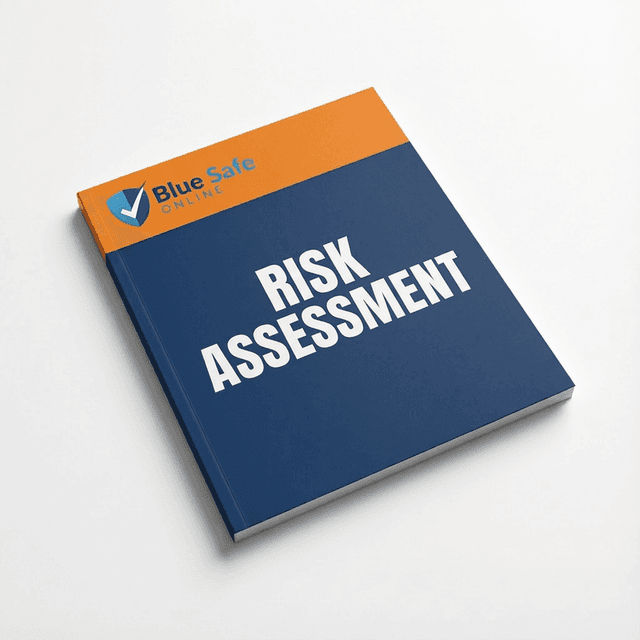
Hospitality Safety Risk Assessment
- 100% Compliant with Australian WHS Acts & Regulations
- Fully Editable MS Word & PDF Formats Included
- Pre-filled Content – Ready to Deploy Immediately
- Customisable – Easily Add Your Logo & Site Details
- Includes 2 Years of Free Compliance Updates
Two Ways to Get Started
Upload your logo and company details — we'll customise all your documents automatically.
Download the Word template and edit directly.
Product Overview
Identify and control organisational risks associated with Hospitality operations using this management-level Hospitality Safety Risk Assessment, focused on governance, systems and WHS planning across your venues. This document supports executive Due Diligence, aligns with the WHS Act, and helps protect your business from prosecution, claims and operational disruption by strengthening your overall WHS risk management framework.
Risk Categories & Hazards Covered
This document assesses risks and outlines management controls for:
- WHS Governance, Leadership & Legal Compliance: Assessment of safety leadership, allocation of WHS responsibilities, consultation arrangements and systems to demonstrate ongoing compliance with WHS legislation in hospitality settings.
- Risk Management, Planning & Change Management: Management of formal risk assessment processes, integration of safety into business planning, and controls for menu changes, refurbishments, new equipment and altered service models.
- Alcohol Service Governance & RSA Systems: Oversight of Responsible Service of Alcohol (RSA) policies, patron behaviour controls, intoxication management, security liaison and incident documentation to minimise alcohol-related harm and liability.
- Training, Competency & Supervision: Systems for induction, competency verification, refresher training and supervisory arrangements for bar, kitchen, floor and function staff, including young or inexperienced workers.
- Plant, Equipment & Maintenance Systems: Management of commercial kitchen equipment, bar plant, refrigeration, ventilation, guarding, tagging and preventative maintenance programs to ensure safe and reliable operation.
- Chemical & Detergent Management: Controls for selection, labelling, storage and use of cleaning chemicals and sanitisers, including SDS access, decanting procedures and staff training to reduce exposure and environmental risk.
- Heat, Burn & Fire Risk Management: Assessment of hot surfaces, deep fryers, ovens, grills, open flames and electrical loads, alongside fire detection, suppression systems and housekeeping standards in hospitality areas.
- Manual Handling & Ergonomic Risk Management: Management of lifting, carrying, keg and crate handling, food and beverage transport, repetitive tasks and workstation design for bar, kitchen and service staff.
- Work Environment, Outdoor & Public Interface Safety: Controls for slips, trips and falls, noise, crowding, outdoor dining areas, shared access ways and interaction with the public and patrons.
- Work Organisation, Fatigue & Staffing: Assessment of rostering practices, extended hours, split shifts, peak demand periods, lone work and staffing levels to minimise fatigue and psychosocial risk.
- Incident Reporting, Complaints & Continuous Improvement: Systems for capturing incidents, near misses, patron complaints and feedback, including investigation, corrective actions and monitoring of safety performance trends.
- Contractor, Supplier & Mobile Operations Management: Governance of contractors, delivery drivers, entertainment providers, mobile bars or pop-up operations, including induction, permits and interface risks.
- Emergency Preparedness & Response for Hospitality Areas: Planning for evacuations, medical emergencies, aggressive patrons, security incidents and utility failures, including drills, communication and wardens.
- Food Safety, Quality & Customer Health Interface: Management of food safety programs, allergen controls, temperature monitoring, contamination prevention and customer health incident response.
Who is this for?
This Risk Assessment is designed for Business Owners, Licensees, Venue Managers, Safety Managers and Compliance Officers responsible for planning, operating and governing hospitality venues, bars, restaurants, clubs and function spaces.
Hazards & Risks Covered
| Hazard | Risk Description |
|---|---|
| 1. WHS Management, Leadership & Legal Compliance |
|
| 2. Risk Management, Planning & Change Management |
|
| 3. Alcohol Service Governance & RSA Systems |
|
| 4. Training, Competency & Supervision |
|
| 5. Plant, Equipment & Maintenance Systems |
|
| 6. Chemical & Detergent Management |
|
| 7. Heat, Burn & Fire Risk Management |
|
| 8. Manual Handling & Ergonomic Risk Management |
|
| 9. Work Environment, Outdoor & Public Interface Safety |
|
| 10. Work Organisation, Fatigue & Staffing |
|
| 11. Incident Reporting, Complaints & Continuous Improvement |
|
| 12. Contractor, Supplier & Mobile Operations Management |
|
| 13. Emergency Preparedness & Response for Hospitality Areas |
|
| 14. Food Safety, Quality & Customer Health Interface |
|
Need to add specific hazards for your workplace?
Don't worry if a specific hazard isn't listed above. Once you purchase, simply log in to your Client Portal and add your own custom hazards at no extra cost. We take care of the hard work—creating the risk ratings and control measures for free—to ensure your document is compliant within minutes.
Legislation & References
This document was researched and developed to align with:
- Work Health and Safety Act 2011
- Work Health and Safety Regulations 2017
- AS/NZS ISO 31000:2018: Risk management — Guidelines
- Safe Work Australia – How to Manage Work Health and Safety Risks Code of Practice: Guidance on systematic hazard identification, risk assessment and control.
- Safe Work Australia – Managing the Work Environment and Facilities Code of Practice: Requirements for safe premises, amenities and work environment in hospitality venues.
- Safe Work Australia – Hazardous Manual Tasks Code of Practice: Guidance on managing manual handling risks in kitchens, bars and service areas.
- Safe Work Australia – Managing the Risk of Hazardous Chemicals in the Workplace Code of Practice: Controls for cleaning chemicals, sanitisers and other hazardous substances.
- AS 3745-2010 (Incorporating Amendments): Planning for emergencies in facilities, including hospitality and public assembly areas.
- AS 4674-2004: Design, construction and fit-out of food premises, supporting safe and hygienic hospitality operations.
- Food Standards Australia New Zealand (FSANZ) – Food Standards Code: Requirements for food safety, allergen management and customer health protection.
Standard Risk Assessment Features (Click to Expand)
- Comprehensive hazard identification for all activities
- Risk rating matrix with likelihood and consequence analysis
- Existing control measures evaluation
- Residual risk assessment after controls
- Hierarchy of controls recommendations
- Action priority rankings
- Review and monitoring requirements
- Consultation and communication records
- Legal compliance references
- Sign-off and approval sections
Suitable for Industries
$79.5
Includes all formats + 2 years updates
Hospitality Safety Risk Assessment
- • 100% Compliant with Australian WHS Acts & Regulations
- • Fully Editable MS Word & PDF Formats Included
- • Pre-filled Content – Ready to Deploy Immediately
- • Customisable – Easily Add Your Logo & Site Details
- • Includes 2 Years of Free Compliance Updates
Hospitality Safety Risk Assessment
Product Overview
Identify and control organisational risks associated with Hospitality operations using this management-level Hospitality Safety Risk Assessment, focused on governance, systems and WHS planning across your venues. This document supports executive Due Diligence, aligns with the WHS Act, and helps protect your business from prosecution, claims and operational disruption by strengthening your overall WHS risk management framework.
Risk Categories & Hazards Covered
This document assesses risks and outlines management controls for:
- WHS Governance, Leadership & Legal Compliance: Assessment of safety leadership, allocation of WHS responsibilities, consultation arrangements and systems to demonstrate ongoing compliance with WHS legislation in hospitality settings.
- Risk Management, Planning & Change Management: Management of formal risk assessment processes, integration of safety into business planning, and controls for menu changes, refurbishments, new equipment and altered service models.
- Alcohol Service Governance & RSA Systems: Oversight of Responsible Service of Alcohol (RSA) policies, patron behaviour controls, intoxication management, security liaison and incident documentation to minimise alcohol-related harm and liability.
- Training, Competency & Supervision: Systems for induction, competency verification, refresher training and supervisory arrangements for bar, kitchen, floor and function staff, including young or inexperienced workers.
- Plant, Equipment & Maintenance Systems: Management of commercial kitchen equipment, bar plant, refrigeration, ventilation, guarding, tagging and preventative maintenance programs to ensure safe and reliable operation.
- Chemical & Detergent Management: Controls for selection, labelling, storage and use of cleaning chemicals and sanitisers, including SDS access, decanting procedures and staff training to reduce exposure and environmental risk.
- Heat, Burn & Fire Risk Management: Assessment of hot surfaces, deep fryers, ovens, grills, open flames and electrical loads, alongside fire detection, suppression systems and housekeeping standards in hospitality areas.
- Manual Handling & Ergonomic Risk Management: Management of lifting, carrying, keg and crate handling, food and beverage transport, repetitive tasks and workstation design for bar, kitchen and service staff.
- Work Environment, Outdoor & Public Interface Safety: Controls for slips, trips and falls, noise, crowding, outdoor dining areas, shared access ways and interaction with the public and patrons.
- Work Organisation, Fatigue & Staffing: Assessment of rostering practices, extended hours, split shifts, peak demand periods, lone work and staffing levels to minimise fatigue and psychosocial risk.
- Incident Reporting, Complaints & Continuous Improvement: Systems for capturing incidents, near misses, patron complaints and feedback, including investigation, corrective actions and monitoring of safety performance trends.
- Contractor, Supplier & Mobile Operations Management: Governance of contractors, delivery drivers, entertainment providers, mobile bars or pop-up operations, including induction, permits and interface risks.
- Emergency Preparedness & Response for Hospitality Areas: Planning for evacuations, medical emergencies, aggressive patrons, security incidents and utility failures, including drills, communication and wardens.
- Food Safety, Quality & Customer Health Interface: Management of food safety programs, allergen controls, temperature monitoring, contamination prevention and customer health incident response.
Who is this for?
This Risk Assessment is designed for Business Owners, Licensees, Venue Managers, Safety Managers and Compliance Officers responsible for planning, operating and governing hospitality venues, bars, restaurants, clubs and function spaces.
Hazards & Risks Covered
| Hazard | Risk Description |
|---|---|
| 1. WHS Management, Leadership & Legal Compliance |
|
| 2. Risk Management, Planning & Change Management |
|
| 3. Alcohol Service Governance & RSA Systems |
|
| 4. Training, Competency & Supervision |
|
| 5. Plant, Equipment & Maintenance Systems |
|
| 6. Chemical & Detergent Management |
|
| 7. Heat, Burn & Fire Risk Management |
|
| 8. Manual Handling & Ergonomic Risk Management |
|
| 9. Work Environment, Outdoor & Public Interface Safety |
|
| 10. Work Organisation, Fatigue & Staffing |
|
| 11. Incident Reporting, Complaints & Continuous Improvement |
|
| 12. Contractor, Supplier & Mobile Operations Management |
|
| 13. Emergency Preparedness & Response for Hospitality Areas |
|
| 14. Food Safety, Quality & Customer Health Interface |
|
Need to add specific hazards for your workplace?
Don't worry if a specific hazard isn't listed above. Once you purchase, simply log in to your Client Portal and add your own custom hazards at no extra cost. We take care of the hard work—creating the risk ratings and control measures for free—to ensure your document is compliant within minutes.
Legislation & References
This document was researched and developed to align with:
- Work Health and Safety Act 2011
- Work Health and Safety Regulations 2017
- AS/NZS ISO 31000:2018: Risk management — Guidelines
- Safe Work Australia – How to Manage Work Health and Safety Risks Code of Practice: Guidance on systematic hazard identification, risk assessment and control.
- Safe Work Australia – Managing the Work Environment and Facilities Code of Practice: Requirements for safe premises, amenities and work environment in hospitality venues.
- Safe Work Australia – Hazardous Manual Tasks Code of Practice: Guidance on managing manual handling risks in kitchens, bars and service areas.
- Safe Work Australia – Managing the Risk of Hazardous Chemicals in the Workplace Code of Practice: Controls for cleaning chemicals, sanitisers and other hazardous substances.
- AS 3745-2010 (Incorporating Amendments): Planning for emergencies in facilities, including hospitality and public assembly areas.
- AS 4674-2004: Design, construction and fit-out of food premises, supporting safe and hygienic hospitality operations.
- Food Standards Australia New Zealand (FSANZ) – Food Standards Code: Requirements for food safety, allergen management and customer health protection.
Standard Risk Assessment Features (Click to Expand)
- Comprehensive hazard identification for all activities
- Risk rating matrix with likelihood and consequence analysis
- Existing control measures evaluation
- Residual risk assessment after controls
- Hierarchy of controls recommendations
- Action priority rankings
- Review and monitoring requirements
- Consultation and communication records
- Legal compliance references
- Sign-off and approval sections
$79.5