

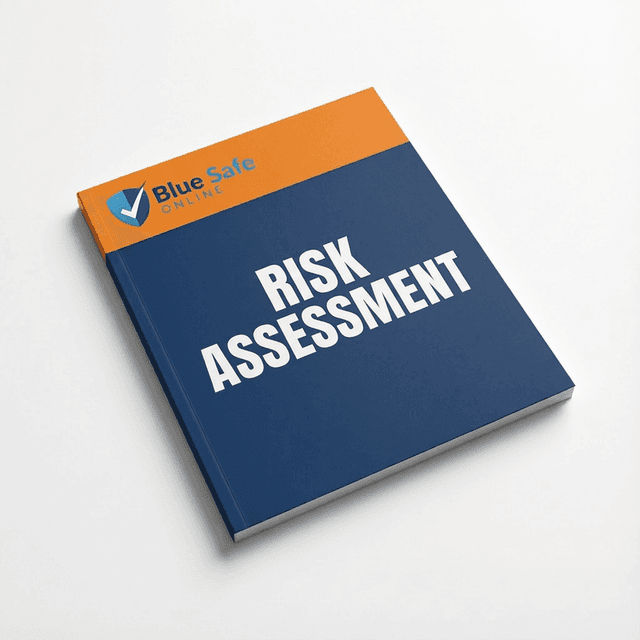
Hot Work Permit Fire Watch and Hazardous Area Safety Risk Assessment
- 100% Compliant with Australian WHS Acts & Regulations
- Fully Editable MS Word & PDF Formats Included
- Pre-filled Content – Ready to Deploy Immediately
- Customisable – Easily Add Your Logo & Site Details
- Includes 2 Years of Free Compliance Updates
Two Ways to Get Started
Upload your logo and company details — we'll customise all your documents automatically.
Download the Word template and edit directly.
Product Overview
Identify and control organisational risks associated with Hot Work Permit Fire Watch and Hazardous Area Safety through a structured, management-level WHS Risk Management framework. This Risk Assessment supports compliance with the WHS Act, strengthens Due Diligence, and helps protect your business from operational and legal liability when authorising and overseeing hot work activities.
Risk Categories & Hazards Covered
This document assesses risks and outlines management controls for:
- Hot Work Governance & WHS Compliance: Assessment of policies, procedures and senior management responsibilities to ensure hot work activities align with WHS Act and regulatory obligations.
- Permit-to-Work & Authorisation Controls: Management of hot work permit systems, approval workflows, isolation verification and controls to prevent unauthorised or uncontrolled hot work.
- Pre-Work Hazard Identification & Risk Assessment: Protocols for systematic identification of ignition sources, fuel sources and environmental conditions prior to issuing hot work permits.
- Hazardous Area & Classified Location Management: Assessment of hot work in hazardous zones, including hazardous chemicals, explosive atmospheres and area classification requirements.
- Fire Watch Planning & Fire Prevention: Management of fire watch roles, coverage, duration, communication and equipment to ensure effective prevention, detection and response to fire.
- Flammable & Combustible Materials Control: Controls for storage, isolation, inerting and protection of fuels, vapours, storage tanks and process equipment in proximity to hot work.
- Spark, Slag & Debris Containment: Engineering and administrative controls for preventing the spread of sparks, molten metal and cutting debris to adjacent work areas, voids and hidden spaces.
- Open Flame & Hot Work Equipment Management: Assessment of selection, inspection, maintenance and safe positioning of welding, cutting, grinding and heating equipment.
- Confined Space & Restricted Area Hot Work: Integration of confined space entry procedures, atmospheric testing, ventilation and standby arrangements for hot work in enclosed or restricted locations.
- Competency, Training & Authorisation: Requirements for verifying worker and fire watch competency, licences, training records and formal authorisation for hot work tasks.
- Engineering Controls & Ventilation Systems: Evaluation of ventilation, isolation, barriers, temperature control and other engineering measures to minimise ignition and exposure risks.
- Health Risks from Heat & Fume Exposure: Management of thermal stress, welding fumes, gases, UV radiation and skin contact with hot surfaces or fluids, including PPE and health monitoring.
- Emergency Preparedness & Incident Response: Planning for fire response, alarm systems, evacuation, first aid and post-incident investigation for hot work–related events.
- Contractor & Third-Party Coordination: Controls for contractor induction, permit compliance, supervision and interface management where external parties perform hot work.
- Monitoring, Audit & Continuous Improvement: Systems for inspections, performance monitoring, incident trend analysis and periodic review of hot work controls and permit effectiveness.
Who is this for?
This Risk Assessment is designed for Business Owners, Operations Managers, Safety Managers and Permit Coordinators responsible for planning, approving and overseeing hot work, fire watch and hazardous area activities across their organisation.
Hazards & Risks Covered
| Hazard | Risk Description |
|---|---|
| 1. Hot Work Governance, Policies and WHS Act Compliance |
|
| 2. Hot Work Permit System and Authorisation Controls |
|
| 3. Hazard Identification and Pre‑Work Risk Assessment for Hot Work |
|
| 4. Management of Hot Work in Hazardous Areas and Classified Locations |
|
| 5. Fire Watch Management and Fire Prevention During Hot Work |
|
| 6. Control of Flammable and Combustible Materials Including Storage Tanks |
|
| 7. Containment of Sparks, Slag and Cutting Debris |
|
| 8. Management of Open Flames and Hot Work Equipment |
|
| 9. Hot Work in Confined Spaces and Restricted Areas |
|
| 10. Worker Competency, Training and Authorisation for Hot Work and Fire Watch |
|
| 11. Engineering Controls for Ventilation, Isolation and Heat Management |
|
| 12. Health Risks from Heat, Fumes and Skin Contact with Hot Surfaces or Fluids |
|
| 13. Emergency Preparedness, Fire Response and Incident Management |
|
| 14. Contractor and Third‑Party Management for Hot Work |
|
| 15. Monitoring, Audit and Continuous Improvement of Hot Work Controls |
|
Need to add specific hazards for your workplace?
Don't worry if a specific hazard isn't listed above. Once you purchase, simply log in to your Client Portal and add your own custom hazards at no extra cost. We take care of the hard work—creating the risk ratings and control measures for free—to ensure your document is compliant within minutes.
Legislation & References
This document was researched and developed to align with:
- Work Health and Safety Act 2011
- Work Health and Safety Regulations 2017
- AS/NZS ISO 31000:2018: Risk management — Guidelines
- AS 1674.1: Safety in welding and allied processes – Fire precautions
- AS 1674.2: Safety in welding and allied processes – Electrical
- AS/NZS 60079 (Series): Explosive atmospheres – Requirements for equipment and area classification in hazardous locations
- AS 2865: Confined spaces – Requirements for managing hot work in confined spaces
- AS 1851: Routine service of fire protection systems and equipment – For ensuring fire response capability during hot work
- AS 1940: The storage and handling of flammable and combustible liquids – Controls for tanks and hazardous storage near hot work
- Safe Work Australia Codes of Practice: Including Welding Processes, Managing the Risk of Confined Spaces, Managing Risks of Hazardous Chemicals in the Workplace, and How to Manage Work Health and Safety Risks.
Standard Risk Assessment Features (Click to Expand)
- Comprehensive hazard identification for all activities
- Risk rating matrix with likelihood and consequence analysis
- Existing control measures evaluation
- Residual risk assessment after controls
- Hierarchy of controls recommendations
- Action priority rankings
- Review and monitoring requirements
- Consultation and communication records
- Legal compliance references
- Sign-off and approval sections
Suitable for Industries
$79.5
Includes all formats + 2 years updates
Hot Work Permit Fire Watch and Hazardous Area Safety Risk Assessment
- • 100% Compliant with Australian WHS Acts & Regulations
- • Fully Editable MS Word & PDF Formats Included
- • Pre-filled Content – Ready to Deploy Immediately
- • Customisable – Easily Add Your Logo & Site Details
- • Includes 2 Years of Free Compliance Updates
Hot Work Permit Fire Watch and Hazardous Area Safety Risk Assessment
Product Overview
Identify and control organisational risks associated with Hot Work Permit Fire Watch and Hazardous Area Safety through a structured, management-level WHS Risk Management framework. This Risk Assessment supports compliance with the WHS Act, strengthens Due Diligence, and helps protect your business from operational and legal liability when authorising and overseeing hot work activities.
Risk Categories & Hazards Covered
This document assesses risks and outlines management controls for:
- Hot Work Governance & WHS Compliance: Assessment of policies, procedures and senior management responsibilities to ensure hot work activities align with WHS Act and regulatory obligations.
- Permit-to-Work & Authorisation Controls: Management of hot work permit systems, approval workflows, isolation verification and controls to prevent unauthorised or uncontrolled hot work.
- Pre-Work Hazard Identification & Risk Assessment: Protocols for systematic identification of ignition sources, fuel sources and environmental conditions prior to issuing hot work permits.
- Hazardous Area & Classified Location Management: Assessment of hot work in hazardous zones, including hazardous chemicals, explosive atmospheres and area classification requirements.
- Fire Watch Planning & Fire Prevention: Management of fire watch roles, coverage, duration, communication and equipment to ensure effective prevention, detection and response to fire.
- Flammable & Combustible Materials Control: Controls for storage, isolation, inerting and protection of fuels, vapours, storage tanks and process equipment in proximity to hot work.
- Spark, Slag & Debris Containment: Engineering and administrative controls for preventing the spread of sparks, molten metal and cutting debris to adjacent work areas, voids and hidden spaces.
- Open Flame & Hot Work Equipment Management: Assessment of selection, inspection, maintenance and safe positioning of welding, cutting, grinding and heating equipment.
- Confined Space & Restricted Area Hot Work: Integration of confined space entry procedures, atmospheric testing, ventilation and standby arrangements for hot work in enclosed or restricted locations.
- Competency, Training & Authorisation: Requirements for verifying worker and fire watch competency, licences, training records and formal authorisation for hot work tasks.
- Engineering Controls & Ventilation Systems: Evaluation of ventilation, isolation, barriers, temperature control and other engineering measures to minimise ignition and exposure risks.
- Health Risks from Heat & Fume Exposure: Management of thermal stress, welding fumes, gases, UV radiation and skin contact with hot surfaces or fluids, including PPE and health monitoring.
- Emergency Preparedness & Incident Response: Planning for fire response, alarm systems, evacuation, first aid and post-incident investigation for hot work–related events.
- Contractor & Third-Party Coordination: Controls for contractor induction, permit compliance, supervision and interface management where external parties perform hot work.
- Monitoring, Audit & Continuous Improvement: Systems for inspections, performance monitoring, incident trend analysis and periodic review of hot work controls and permit effectiveness.
Who is this for?
This Risk Assessment is designed for Business Owners, Operations Managers, Safety Managers and Permit Coordinators responsible for planning, approving and overseeing hot work, fire watch and hazardous area activities across their organisation.
Hazards & Risks Covered
| Hazard | Risk Description |
|---|---|
| 1. Hot Work Governance, Policies and WHS Act Compliance |
|
| 2. Hot Work Permit System and Authorisation Controls |
|
| 3. Hazard Identification and Pre‑Work Risk Assessment for Hot Work |
|
| 4. Management of Hot Work in Hazardous Areas and Classified Locations |
|
| 5. Fire Watch Management and Fire Prevention During Hot Work |
|
| 6. Control of Flammable and Combustible Materials Including Storage Tanks |
|
| 7. Containment of Sparks, Slag and Cutting Debris |
|
| 8. Management of Open Flames and Hot Work Equipment |
|
| 9. Hot Work in Confined Spaces and Restricted Areas |
|
| 10. Worker Competency, Training and Authorisation for Hot Work and Fire Watch |
|
| 11. Engineering Controls for Ventilation, Isolation and Heat Management |
|
| 12. Health Risks from Heat, Fumes and Skin Contact with Hot Surfaces or Fluids |
|
| 13. Emergency Preparedness, Fire Response and Incident Management |
|
| 14. Contractor and Third‑Party Management for Hot Work |
|
| 15. Monitoring, Audit and Continuous Improvement of Hot Work Controls |
|
Need to add specific hazards for your workplace?
Don't worry if a specific hazard isn't listed above. Once you purchase, simply log in to your Client Portal and add your own custom hazards at no extra cost. We take care of the hard work—creating the risk ratings and control measures for free—to ensure your document is compliant within minutes.
Legislation & References
This document was researched and developed to align with:
- Work Health and Safety Act 2011
- Work Health and Safety Regulations 2017
- AS/NZS ISO 31000:2018: Risk management — Guidelines
- AS 1674.1: Safety in welding and allied processes – Fire precautions
- AS 1674.2: Safety in welding and allied processes – Electrical
- AS/NZS 60079 (Series): Explosive atmospheres – Requirements for equipment and area classification in hazardous locations
- AS 2865: Confined spaces – Requirements for managing hot work in confined spaces
- AS 1851: Routine service of fire protection systems and equipment – For ensuring fire response capability during hot work
- AS 1940: The storage and handling of flammable and combustible liquids – Controls for tanks and hazardous storage near hot work
- Safe Work Australia Codes of Practice: Including Welding Processes, Managing the Risk of Confined Spaces, Managing Risks of Hazardous Chemicals in the Workplace, and How to Manage Work Health and Safety Risks.
Standard Risk Assessment Features (Click to Expand)
- Comprehensive hazard identification for all activities
- Risk rating matrix with likelihood and consequence analysis
- Existing control measures evaluation
- Residual risk assessment after controls
- Hierarchy of controls recommendations
- Action priority rankings
- Review and monitoring requirements
- Consultation and communication records
- Legal compliance references
- Sign-off and approval sections
$79.5