

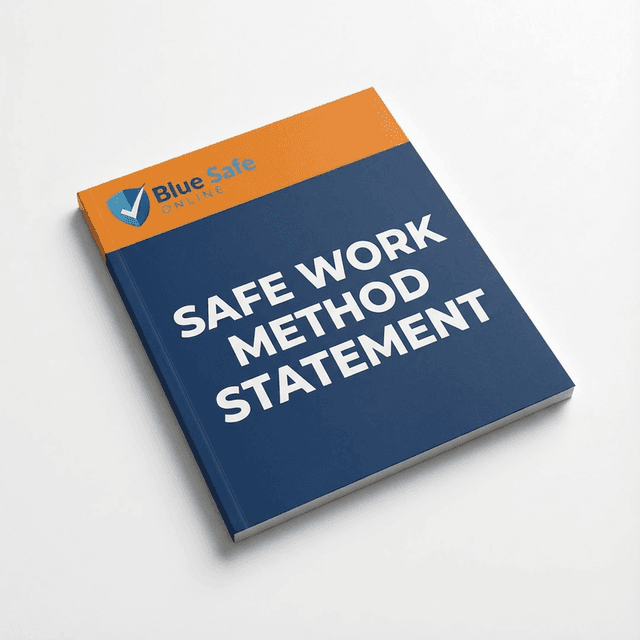
General Excavation and Earthworks SWMS
- 100% Compliant with Australian WHS Acts & Regulations
- Fully Editable MS Word & PDF Formats Included
- Pre-filled Content – Ready to Deploy Immediately
- Customisable – Easily Add Your Logo & Site Details
- Includes 2 Years of Free Compliance Updates
Two Ways to Get Started
Upload your logo and company details — we'll customise all your documents automatically.
Download the Word template and edit directly.
Product Overview
This General Excavation and Earthworks Safe Work Method Statement (SWMS) is designed to identify hazards, assess risks, and implement controls for excavation and earthmoving activities on Australian worksites, supporting strong WHS compliance. It is a comprehensive document that covers multiple aspects of General Excavation and Earthworks, from planning and set-out through to backfilling, fire safety, and completion of works.
Activities & Specific Tasks Covered
This document includes specific risk controls for:
- Planning and conducting general excavation works, including site assessment and services identification
- Basement excavation, including staged digging, benching, and shoring for deep excavations
- Bulk excavation and mass earthworks, including safe operation of earthmoving plant and traffic management
- Demarcation of excavation areas with barriers, signage, edge protection, and exclusion zones
- Digging footings and foundations, including trench stability, access/egress, and fall prevention
- Digging holes and pits for posts, pads, and minor structures using hand tools and powered equipment
- Excavating below ground level and managing the risk of ground collapse and engulfment
- Excavating ground for new enclosures, retaining walls, and structural elements
- Excavation for foundations and underground services, including locating and protecting utilities
- Excavating under or in proximity to cranes, including lift planning and load stability controls
- Excavating sub-surfaces and previously disturbed or backfilled material with unknown stability
- Managing hazards when disturbing previously disturbed material, including contamination and buried objects
- Establishing and maintaining fire safety controls in and around excavations in line with fire safety regulations
- Grave preparation and other narrow/deep excavations, including shoring, access, and emergency response
- Backfilling, compaction, and reinstatement of excavated areas to prevent subsidence and trip hazards
Who is this for?
This SWMS is designed for civil contractors, earthmoving and excavation companies, builders, plumbers, electricians, landscapers, grave diggers, and site supervisors responsible for managing excavation and earthworks activities.
Specific Job Steps & Hazards Covered
| Job Step / Activity | Potential Hazards |
|---|---|
| Pre-start planning and approvals |
|
| Service location and ground investigation |
|
| Site establishment and demarcation |
|
| Plant mobilisation and inspection |
|
| Bulk and basement excavation |
|
| Trenching and service excavation |
|
| Footings, foundations and pit excavation |
|
| Mechanical excavation and loading |
|
| Manual excavation and ground disturbance |
|
| Shoring, benching and edge trimming |
|
| Fire safety and emergency preparedness |
|
| Visitor management and site security |
|
| Backfilling, compaction and regrading |
|
| Post-excavation repair and demobilisation |
|
Need to add specific site requirements?
Don't worry if a specific job step isn't listed above. Once you purchase, simply log in to your Client Portal and add your own custom job steps at no extra cost. We take care of the hard work—creating the hazards and control measures for free—to ensure your document is compliant within minutes.
Legislation & References
This document was researched and developed to align with:
- Managing the Risk of Falls in Housing Construction Code of Practice: Guidance on preventing falls into and around excavations on construction sites
- Excavation Work Code of Practice: Requirements and controls for safe excavation and trenching activities
- Managing the Risk of Plant in the Workplace Code of Practice: Safe use of excavators, loaders, and other earthmoving plant
- Hazardous Manual Tasks Code of Practice: Controls for manual digging, shovelling, and handling excavation equipment and materials
- Managing the Work Environment and Facilities Code of Practice: Safe access, egress, and emergency arrangements around excavations
- How to Manage Work Health and Safety Risks Code of Practice: Risk management framework applied to excavation and earthworks
- AS 3798 Guidelines on Earthworks for Commercial and Residential Developments: Guidance on earthworks, compaction, and site preparation
- AS 2159 Piling – Design and Installation: Relevant where excavation interfaces with foundations and piling works
- Work Health and Safety Act 2011
- Work Health and Safety Regulations 2017
Standard SWMS Features (Click to Expand)
- Operational guidelines, with a step-by-step approach to safe work
- Possible hazards that may be encountered
- Step-by-step safety procedures to follow
- Before work starts – Guidelines and Checks
- Safety measures and guides
- Operational Safety Checks
- Before and After Risk Ratings
- Risk Assessment Matrix
- High Risk Work Involved
- Emergency Evacuation Procedure
- Plant and Equipment
- Qualifications and Permits
- Specific Personal Protective Equipment (PPE)
- Company Personnel Sign-off form
Suitable for Industries
$96.8
Includes all formats + 2 years updates
General Excavation and Earthworks SWMS
- • 100% Compliant with Australian WHS Acts & Regulations
- • Fully Editable MS Word & PDF Formats Included
- • Pre-filled Content – Ready to Deploy Immediately
- • Customisable – Easily Add Your Logo & Site Details
- • Includes 2 Years of Free Compliance Updates
General Excavation and Earthworks SWMS
Product Overview
This General Excavation and Earthworks Safe Work Method Statement (SWMS) is designed to identify hazards, assess risks, and implement controls for excavation and earthmoving activities on Australian worksites, supporting strong WHS compliance. It is a comprehensive document that covers multiple aspects of General Excavation and Earthworks, from planning and set-out through to backfilling, fire safety, and completion of works.
Activities & Specific Tasks Covered
This document includes specific risk controls for:
- Planning and conducting general excavation works, including site assessment and services identification
- Basement excavation, including staged digging, benching, and shoring for deep excavations
- Bulk excavation and mass earthworks, including safe operation of earthmoving plant and traffic management
- Demarcation of excavation areas with barriers, signage, edge protection, and exclusion zones
- Digging footings and foundations, including trench stability, access/egress, and fall prevention
- Digging holes and pits for posts, pads, and minor structures using hand tools and powered equipment
- Excavating below ground level and managing the risk of ground collapse and engulfment
- Excavating ground for new enclosures, retaining walls, and structural elements
- Excavation for foundations and underground services, including locating and protecting utilities
- Excavating under or in proximity to cranes, including lift planning and load stability controls
- Excavating sub-surfaces and previously disturbed or backfilled material with unknown stability
- Managing hazards when disturbing previously disturbed material, including contamination and buried objects
- Establishing and maintaining fire safety controls in and around excavations in line with fire safety regulations
- Grave preparation and other narrow/deep excavations, including shoring, access, and emergency response
- Backfilling, compaction, and reinstatement of excavated areas to prevent subsidence and trip hazards
Who is this for?
This SWMS is designed for civil contractors, earthmoving and excavation companies, builders, plumbers, electricians, landscapers, grave diggers, and site supervisors responsible for managing excavation and earthworks activities.
Specific Job Steps & Hazards Covered
| Job Step / Activity | Potential Hazards |
|---|---|
| Pre-start planning and approvals |
|
| Service location and ground investigation |
|
| Site establishment and demarcation |
|
| Plant mobilisation and inspection |
|
| Bulk and basement excavation |
|
| Trenching and service excavation |
|
| Footings, foundations and pit excavation |
|
| Mechanical excavation and loading |
|
| Manual excavation and ground disturbance |
|
| Shoring, benching and edge trimming |
|
| Fire safety and emergency preparedness |
|
| Visitor management and site security |
|
| Backfilling, compaction and regrading |
|
| Post-excavation repair and demobilisation |
|
Need to add specific site requirements?
Don't worry if a specific job step isn't listed above. Once you purchase, simply log in to your Client Portal and add your own custom job steps at no extra cost. We take care of the hard work—creating the hazards and control measures for free—to ensure your document is compliant within minutes.
Legislation & References
This document was researched and developed to align with:
- Managing the Risk of Falls in Housing Construction Code of Practice: Guidance on preventing falls into and around excavations on construction sites
- Excavation Work Code of Practice: Requirements and controls for safe excavation and trenching activities
- Managing the Risk of Plant in the Workplace Code of Practice: Safe use of excavators, loaders, and other earthmoving plant
- Hazardous Manual Tasks Code of Practice: Controls for manual digging, shovelling, and handling excavation equipment and materials
- Managing the Work Environment and Facilities Code of Practice: Safe access, egress, and emergency arrangements around excavations
- How to Manage Work Health and Safety Risks Code of Practice: Risk management framework applied to excavation and earthworks
- AS 3798 Guidelines on Earthworks for Commercial and Residential Developments: Guidance on earthworks, compaction, and site preparation
- AS 2159 Piling – Design and Installation: Relevant where excavation interfaces with foundations and piling works
- Work Health and Safety Act 2011
- Work Health and Safety Regulations 2017
Standard SWMS Features (Click to Expand)
- Operational guidelines, with a step-by-step approach to safe work
- Possible hazards that may be encountered
- Step-by-step safety procedures to follow
- Before work starts – Guidelines and Checks
- Safety measures and guides
- Operational Safety Checks
- Before and After Risk Ratings
- Risk Assessment Matrix
- High Risk Work Involved
- Emergency Evacuation Procedure
- Plant and Equipment
- Qualifications and Permits
- Specific Personal Protective Equipment (PPE)
- Company Personnel Sign-off form
$96.8